The Centre quarterly newsletter, June 2026 issue, is now available.
In this issue:
Last chance…

JAPANESE ECONOMIC AND BUSINESS WEEKLY NEWSLETTER: 20 September - 26 September, 2025

The EU Japan Centre is releasing a weekly press review covering Japan's economic and policy matters.
JAPANESE ECONOMIC AND BUSINESS WEEKLY NEWSLETTER (20 – 26 September, 2025)
Outline
1. Economic News
2. Business News
1. Economic News
▶ Japan Defense Ministry panel calls for more focus on drones, arms exports
19 Sep, 2025
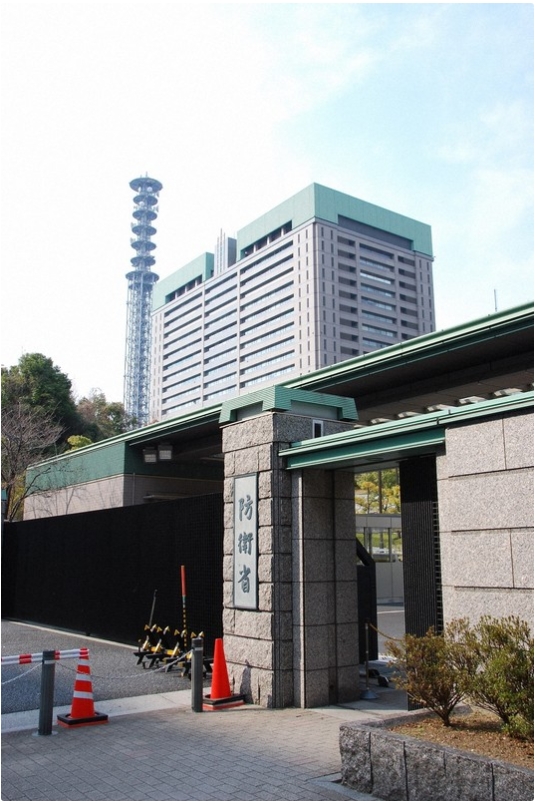
Photo Source: Mainichi
Japan should strengthen its deterrence by deploying drones and submarines equipped with long-range missiles in response to China’s growing maritime assertiveness, while also easing arms export rules to build stronger ties with like-minded countries, a Defense Ministry panel recommended on Friday. The proposal, based on over a year of discussions among experts in security, economics, science, and technology, also called for greater flexibility in the review cycle and duration of Japan’s defense buildup plan, in order to adapt to rapidly changing global conditions and the evolution of modern warfare.
Mainichi: https://mainichi.jp/english/articles/20250919/p2g/00m/0na/032000c
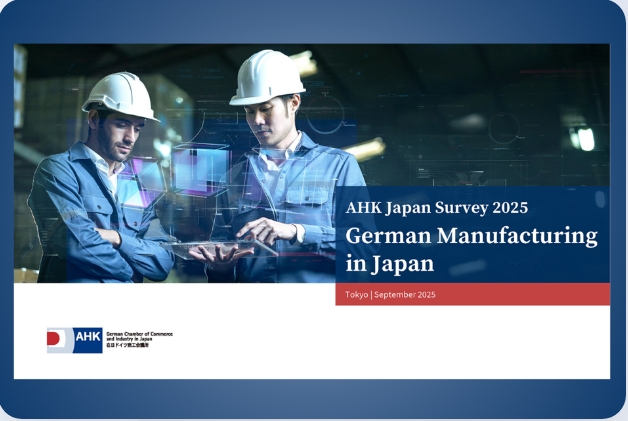
▶ German companies choosing Japan as Asia manufacturing hub: survey
22 Sep, 2025
Source : AHK Japan
A recent survey by the German Chamber of Commerce and Industry in Japan (AHK Japan) shows that German companies increasingly view Japan as a strategic manufacturing hub for Asia, not just a sales market. Key attractions include Japan’s economic stability, relative affordability due to the weak yen, strong regulatory environment, and proximity to major Asian markets like ASEAN and China. Out of 730 German companies in Japan, 84 run production or assembly sites. Many have long-standing operations, with 76% producing in Japan for over 20 years, and over half planning expansion. Exports from Japan are primarily sent to ASEAN (41%), China (38%), and North America (29%). Strong Germany-Japan business alignment, supply chain stability, and political risk mitigation are major incentives. However, challenges remain, especially in recruiting skilled labor—cited by 82% of respondents. Despite these hurdles, Japan is seen as a reliable and stable base in an uncertain global environment.
Japan times: https://www.japantimes.co.jp/business/2025/09/22/companies/german-companies-japan-survey/
▶ Japan to Subsidize Costs of Next-Gen Solar Cells by Up To 75%
22 Sep, 2025
Japan’s Environment Ministry will launch a subsidy program covering up to 75% of costs for installing next-generation perovskite solar cells, aiming to promote their use in buildings unsuitable for traditional panels. The ¥5 billion program targets companies and municipalities, with applications starting this month. Perovskite cells, developed in Japan, are lightweight, flexible, and use iodine, of which Japan controls 30% of global supply. Firms like Sekisui Chemical and Panasonic are advancing commercialization. The government hopes the subsidies will boost adoption and support Japan’s competitiveness amid global growth in the perovskite solar market, projected to hit ¥4 trillion by 2040.
Yomiuri: https://japannews.yomiuri.co.jp/science-nature/environment/20250922-282350/
▶ Japanese Deep Sea Drilling Recognized by Guinness World Records
24 Sep, 2025
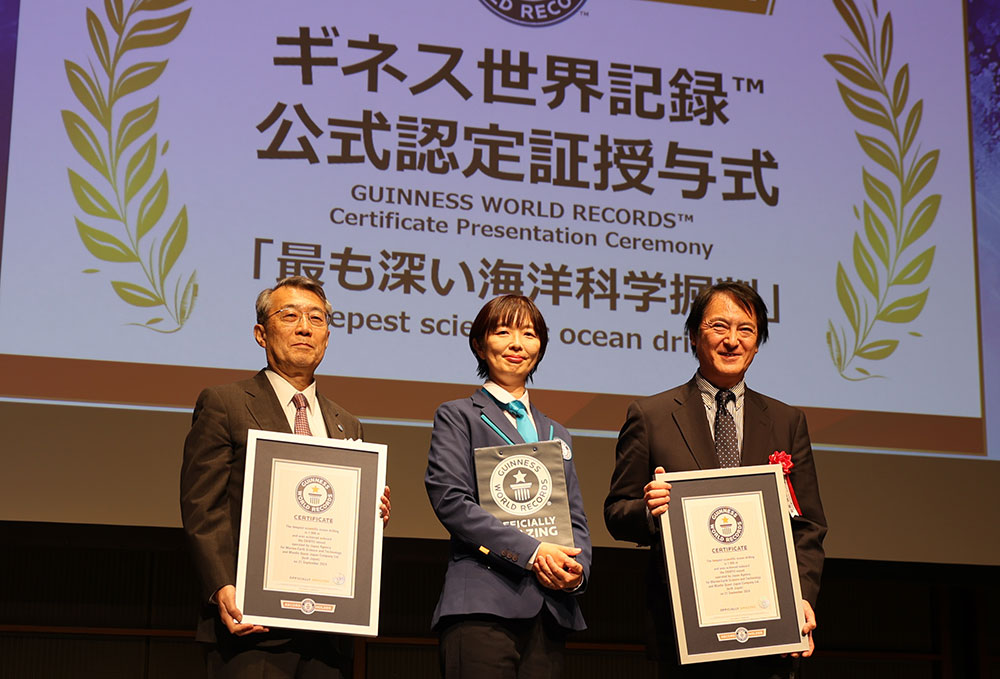
Photo Source: JAMSTEC
Japan’s deep-sea drilling vessel Chikyu has been recognized by Guinness World Records for achieving the world’s deepest scientific ocean drilling. In September 2024, Chikyu drilled 980 meters from a depth of 6,897.5 meters below sea level off Miyagi Prefecture, with a total drill pipe length of 7,906 meters. The research aimed to study the causes of the 2011 earthquake. Chikyu is owned by JAMSTEC and operated by Mantle Quest Japan. JAMSTEC’s president celebrated the recognition as a validation of Japan’s advanced technology.
Jiji: https://jen.jiji.com/jc/eng?g=eco&k=2025092401094
JAMSTEC(Japanese): https://www.jamstec.go.jp/j/about/press_release/20250924/
▶ US machine tool tariff probe targets field led by Japan
25 Sep, 2025
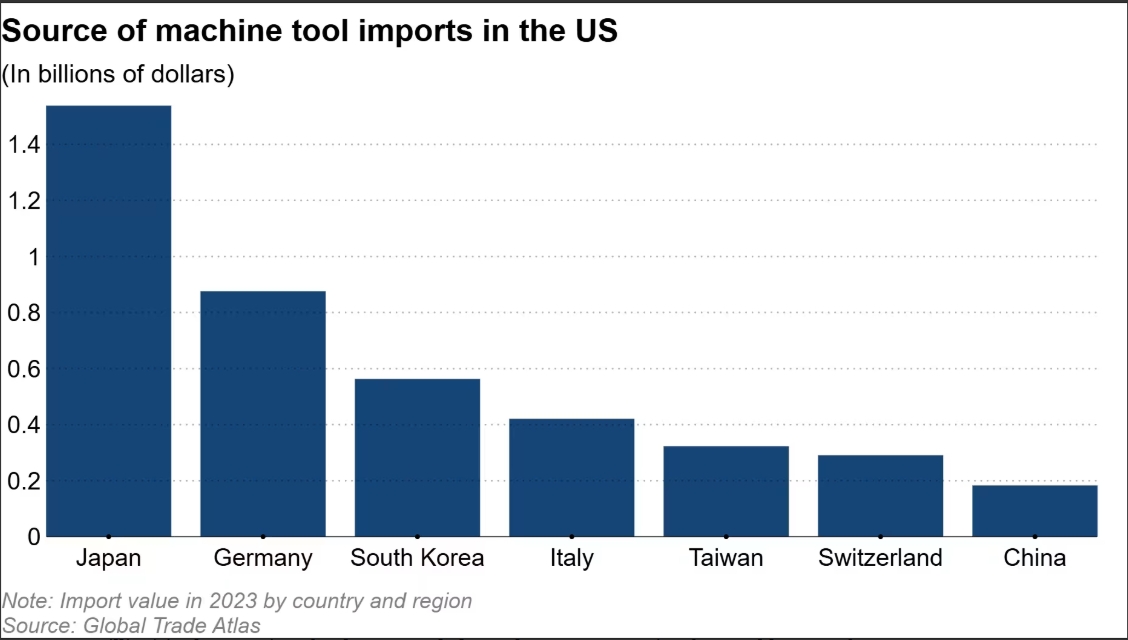
Source: Global Trade Atlas
The U.S. has launched a Section 232 investigation into machine tools, industrial robots, and medical equipment to assess whether import restrictions or tariffs are needed. This could significantly impact Japan, the top supplier of machine tools to the U.S., with $1.53 billion in exports in 2023. Japanese companies like Okuma and Olympus warn that tariffs would raise costs and hurt profits, as shifting high-precision production to the U.S. is difficult. The move could also raise manufacturing costs for U.S. companies and contradict efforts to boost domestic industry. Japan also plays a key role in medical equipment, with Olympus dominating the endoscope market, much of which is made in Japan.
Nikkei Asia: https://asia.nikkei.com/economy/trade-war/trump-tariffs/us-machine-tool-tariff-probe-targets-field-led-by-japan
▶ Japan and ASEAN nations to cooperate on bolstering supply chains
25 Sep, 2025
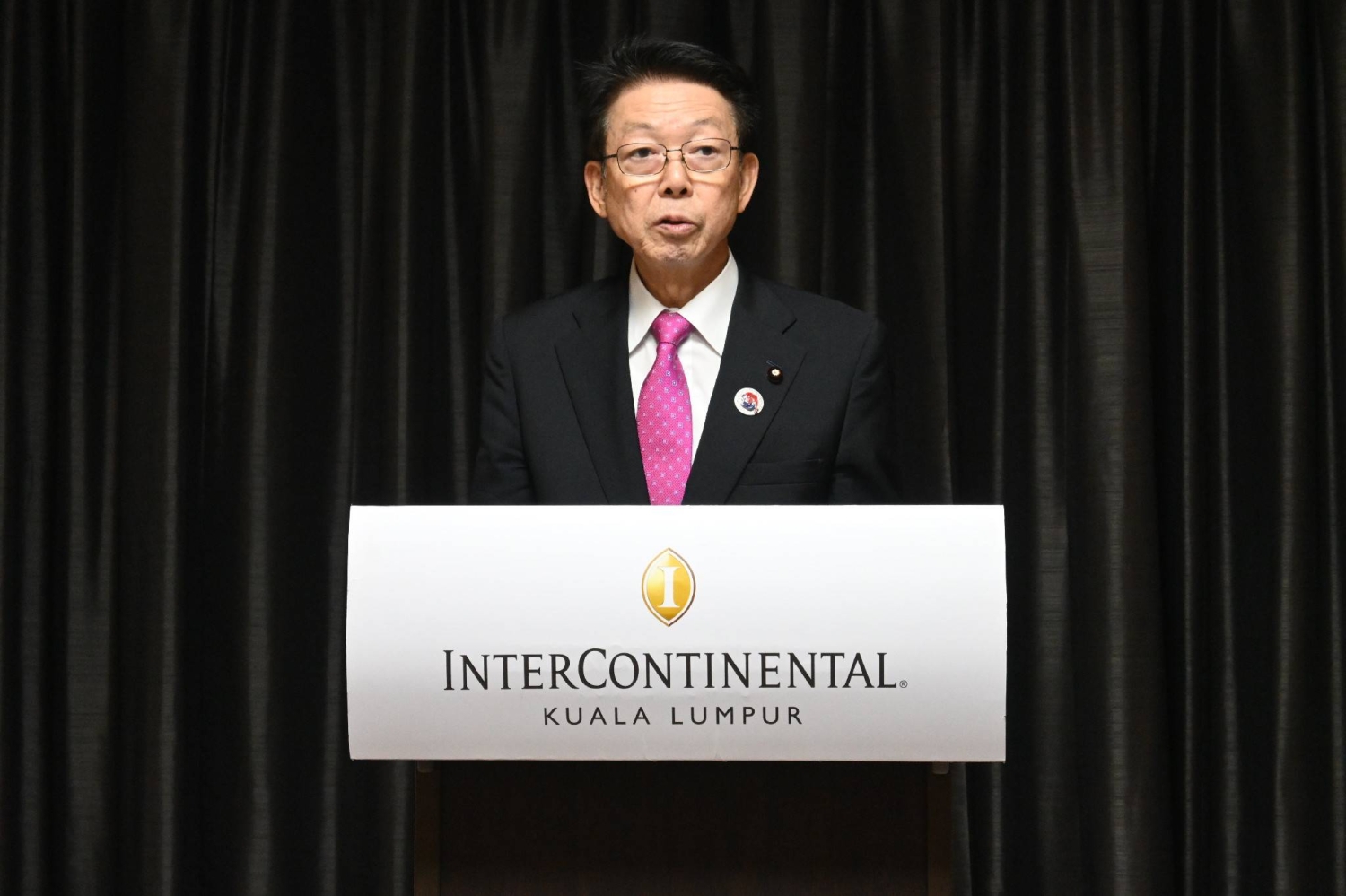
Photo Source: Jiji
Japan and ASEAN economy ministers agreed to collaborate on strengthening supply chain resilience amid global trade uncertainties caused by past U.S. tariff policies. The meeting in Kuala Lumpur, attended by Japan’s Economy Minister Yoji Muto, marked their first in-person discussion since May. They plan to create a task force to identify cooperation areas. Separately, ministers from Japan, China, South Korea, and ASEAN emphasized concerns over protectionism and the need for closer economic cooperation.
Japan times: https://www.japantimes.co.jp/business/2025/09/25/economy/japan-asean-supply-chain-boost/
2. Business News
▶ Spiber unveiled two Brewed Protein™ prototypes—a finishing agent and a surface material—at The Biofab Fair 2025
19 Sep, 2025
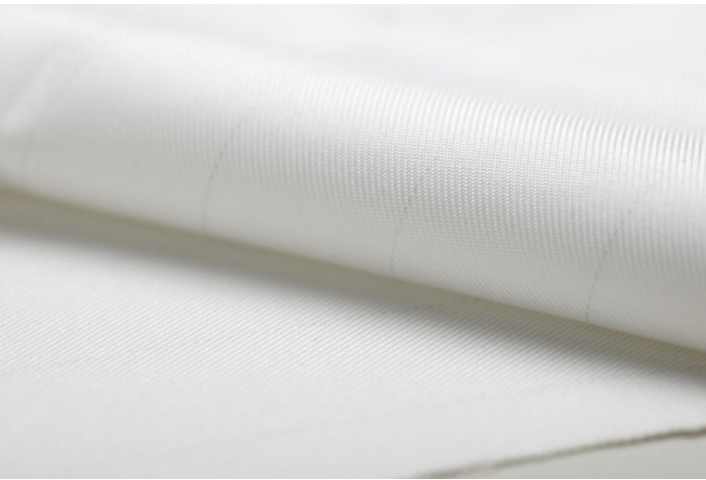
Photo Source: Spiber
Spiber recently unveiled two new prototypes made with its Brewed Protein™ materials at The Biofab Fair 2025 in London. One is a protein-based finish that enhances the feel, moisture control, and antistatic properties of polyester fabrics while maintaining affordability and ease of care. The other is a protein-based surface that adds protective features like wind resistance and can also be formed into leather-like sheets with a unique protein-derived texture. These developments, supported by partner Komatsu Matere, mark a move from research to real-world application in areas such as apparel, interior design, and lifestyle products. These innovations align with Spiber’s mission to contribute to sustainable wellbeing by addressing deep-rooted social challenges such as climate change, the shift to a circular economy, food security, and social system improvements. Guided by long-term thinking and a commitment to society’s best interests, Spiber exists to harness creativity in delivering meaningful, practical solutions that bring lasting value to the world.
▶ 3 firms plan to pipe CO₂ under the sea in global warming fight
21 Sep, 2025
Photo Source: Asahi
An ambitious carbon capture and storage (CCS) project is planned in Chiba Prefecture, aiming to collect CO₂ from factories near Tokyo Bay and store it deep under the seabed off Kujukuri by 2030. Led by Shutoken CCS K.K., a joint venture of INPEX and Kanto Natural Gas Development, with support from Nippon Steel, the project involves building a pipeline across the Boso Peninsula, passing through nine municipalities. While the project is part of Japan’s national carbon neutrality strategy, it has faced local opposition over safety concerns and lack of information. At initial briefings, residents questioned the risk of earthquakes and CO₂ leakage. The final decision will be made in fiscal 2027, with the goal of storing 1.2 million tons of CO₂ annually, eventually increasing to 5 million tons.
Asahi: https://www.asahi.com/ajw/articles/16006421
▶ Nvidia supplier Ibiden to expand IC substrate output amid AI boom
22 Sep, 2025
Japanese electronics maker Ibiden will significantly expand production of IC package substrates used in generative AI servers to meet soaring global demand. By fiscal 2027, production is expected to rise 150% from 2024 levels. A new dedicated facility at the Ono plant will begin operations next month, with further expansion plans depending on future technology. Ibiden, a key supplier for Nvidia, projects 93% sales growth in its electronics business by March 2028, driven mainly by generative AI products. Despite strong AI-related growth, demand for PC and general server components remains weak. Ibiden will concentrate PC-related production in the Philippines and has no plans to produce substrates in the U.S. due to a shortage of skilled engineers.
▶ Japan bullet train operator to test facial recognition gates at Niigata, Nagaoka stations
23 Sep, 2025
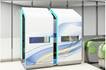
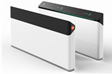
Photo Source: Panasonic and NEC
JR East will begin testing facial recognition ticket gates at Niigata and Nagaoka Stations on the Joetsu Shinkansen line starting November 6, 2025, aiming to simplify travel by eliminating the need for tickets or IC cards. The 5-month trial will involve about 500 pre-registered passengers with Shinkansen commuter passes. Different systems will be tested at each station to compare performance. The initiative seeks to improve convenience, especially for travelers with large luggage or strollers, and explore the future of station technology.
Mainichi: https://mainichi.jp/english/articles/20250923/p2a/00m/0bu/007000c
▶ Hitachi to buy German data and AI firm Synvert to boost tech muscle
24 Sep, 2025

Photo Source: Nanami Sato/Nikkei Asia
Hitachi announced it will acquire German company Synvert, which specializes in cloud and AI consulting, to strengthen its digital transformation services. Synvert, with about 550 employees, offers expertise in data analytics and operates across Europe and the Middle East. The acquisition, expected to close by March, will place Synvert under Hitachi's U.S. subsidiary GlobalLogic. This move supports Hitachi's expansion of digital services beyond railways into sectors like electric power.
Nikkei Asia: https://asia.nikkei.com/business/business-deals/hitachi-to-buy-german-data-and-ai-firm-synvert-to-boost-tech-muscle
Hitachi: https://www.hitachi.com/New/cnews/month/2025/09/250924.pdf
▶ Toyota to sell proprietary home EV chargers in Japan
24 Sep, 2025
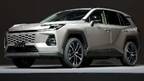
Photo Source: Yuji Murakami/ Nikkei Asia
Toyota will begin selling its own home EV chargers in Japan this fall to support the adoption of its electric and plug-in hybrid vehicles. The 6-kilowatt charger, priced around ¥200,000 ($1,350), offers faster charging—about 300 km range in eight hours. Buyers who purchase the charger with a compatible vehicle can receive ¥100,000 in dealership points. As EV sales have been sluggish due to limited charging infrastructure, Toyota aims to boost sales with this move, alongside launching updated RAV4 and bZ4X models. Unlike competitors like Honda and Nissan, Toyota will offer its own branded charger.
Nikkei Asia: https://asia.nikkei.com/business/automobiles/electric-vehicles/toyota-to-sell-proprietary-home-ev-chargers-in-japan
▶ JERA and DENSO Begin Japan’s First Demonstration of SOEC Hydrogen Production at a JERA Thermal Power Station
25 Sep, 2025
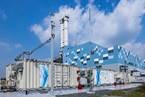
Photo Source: JERA
JERA and DENSO have begun Japan’s first demonstration of hydrogen production using SOEC (Solid Oxide Electrolysis Cell) technology at JERA’s Shin-Nagoya Thermal Power Station. The system, developed by DENSO, uses 200kW of electrolysis power and aims to achieve world-leading efficiency by minimizing heat loss. The project supports efforts to create a carbon-neutral society, with plans to scale up the technology to several thousand kW. JERA is working toward net-zero emissions by 2050, while DENSO is leveraging its mobility technologies to advance hydrogen use. Together, they aim to help build a global green hydrogen and ammonia supply chain.
JERA: https://www.jera.co.jp/en/news/information/20250925_2269
▶ Toyota Woven City Officially Launches as a Test Course for the Future of Mobility
25 Sep, 2025
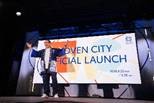
Photo Source: Woven by Toyota
Toyota and Woven by Toyota have officially launched Woven City, their ambitious smart city project in Susono, Japan, first unveiled in 2020. With 300 residents gradually moving in and 20 innovation partners—called "Inventors"—now on board, Woven City begins real-world testing as a living lab for next-generation mobility and technology. The project fosters “Kakezan”, a concept of multiplying innovation through collaboration between Toyota’s manufacturing, WbyT’s software, and diverse creators—including artists like Naoto Inti Raymi, who composed the city’s anthem. Residents, known as “Weavers,” will help shape the future by experiencing and giving feedback on new technologies. An open call for global innovators is now underway through the Woven City Challenge. Toyota Chairman Akio Toyoda marked the launch with a rallying call to “weave a brighter future together.”
Woven by Toyota: https://woven.toyota/en/our-latest/20250925/
▶ ShinkaEvolve: Evolving New Algorithms with LLMs, Orders of Magnitude More Efficiently
25 Sep, 2025
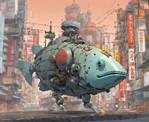
Photo Source: sakana AI
Sakana AI has introduced ShinkaEvolve, a new open-source AI framework that uses principles of evolution to discover efficient solutions to complex problems. Unlike traditional methods that rely on trial and error with thousands of attempts, ShinkaEvolve is highly sample-efficient, meaning it can find high-performing results with far fewer tries. It uses large language models (LLMs) to generate and improve code across different domains, such as solving math puzzles, designing AI systems, enhancing code for competitive programming, and even improving the way large AI models are trained. By intelligently selecting which models to use, avoiding repetitive ideas, and learning from previous results, ShinkaEvolve acts like a smart co-pilot for researchers and engineers. The tool is designed to accelerate scientific discovery and make advanced AI techniques more accessible and practical for real-world use.
sakana AI: https://sakana.ai/shinka-evolve/
▶ JFE Steel R&D Facility Begins Testing CO2 Fixation Via Steelmaking-slag Carbonation
Demonstrations expected to lead to practical application
25 Sep, 2025
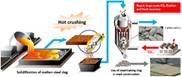
Photo Source: JFE Steel Corporation
JFE Steel, in partnership with Ehime University, has launched demonstration testing of a new CO₂ fixation technology that rapidly captures CO₂ by reacting it with high-temperature steel slag, a byproduct of steelmaking. The process converts CO₂ into carbonates using calcium oxide in the slag, while also recovering heat to improve energy efficiency. The new facility, located at JFE’s East Japan Works in Chiba, will test and optimize key stages like slag solidification, crushing, carbonation, and heat recovery, aiming to move the technology toward commercial use. The project is part of a NEDO initiative focused on carbon recycling and CO₂ reduction. This effort supports JFE's Environmental Vision 2050, which prioritizes climate action and the development of breakthrough decarbonization technologies.
JFE Steel: https://www.jfe-steel.co.jp/en/release/2025/09/250925.html
▶ Major Japanese utility to close oil-fired plants as reactors reopen
26 Sep, 2025
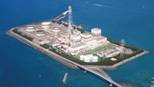
Photo Source: Kansai Electric Power
Kansai Electric will start decommissioning two units at its oil-fired Gobo Power Station in October, aiming to finish by mid-2026, as part of its shift from fossil fuels to nuclear energy. The company has already restarted all seven nuclear reactors and reduced fossil-fuel use from 59% in 2019 to 39% in 2024. Oil-fired plants, like Gobo, are less efficient and more polluting, though useful for backup. Kansai is also expanding energy storage to support this transition. Japan's broader energy plan aims to cut fossil-fuel power to 30–40% by 2040. Other utilities are also phasing out coal and oil plants.
Nikkei Asia: https://asia.nikkei.com/business/energy/major-japanese-utility-to-close-oil-fired-plants-as-reactors-reopen
Published: September 2025


EU-Japan Centre for Industrial Cooperation
Joint venture established in 1987 by the European Commission (DG GROW) and the Japanese Government (METI) for promoting all forms of industrial, trade and investment cooperation between the EU and Japan.


Copyright © 2026 EU-Japan Centre