The Centre quarterly newsletter, June 2026 issue, is now available.
In this issue:
Last chance…

JAPANESE ECONOMIC AND BUSINESS WEEKLY NEWSLETTER: 7 - 13 February, 2026

The EU Japan Centre is releasing a weekly press review covering Japan's economic and business matters.
Weekly Japanese Economic and Business News (7 - 13 February, 2026)
Outline
1. Economic News
▶ Rare-earth prices hit record highs amid China's export curbs against Japan
6 Feb, 2026
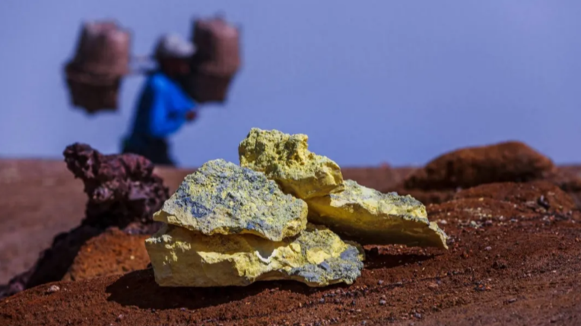 Photo Source: China Ministry of State Security
Prices of key rare-earth minerals — including dysprosium, terbium, yttrium, and gallium — have surged to record highs due to rising global defense demand and China’s tighter export controls on Japan. Dysprosium and terbium, used in EV magnets, hit all-time highs, while yttrium and gallium also spiked sharply. China, which dominates rare-earth production, tightened export rules on dual-use items to Japan in January, prompting companies to stockpile supplies. Analysts expect prices to remain high and volatile amid strong defense and electronics demand.
▶ Japan floats AI data center projects at Yokohama's waterfront
11 Feb, 2026
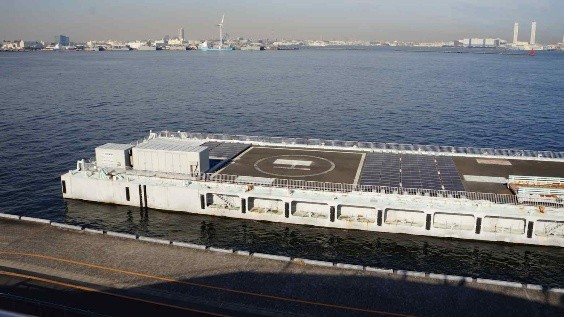 Photo Source: Yuji Takahashi/Nikkei
Yokohama is advancing two waterfront data center projects to meet rising AI-driven demand while supporting decarbonization. One is a floating, renewable-powered data center at Osanbashi Pier led by NYK Line and partners, testing offshore wind power and seawater cooling with commercialization targeted around 2030. The other, planned by JERA at a coastal power plant, would reduce grid strain by sourcing electricity directly on-site.
As Japan’s data center market rapidly expands due to generative AI, urban waterfront locations like Yokohama are seen as potential AI hubs — but balancing energy consumption with carbon neutrality goals remains a key challenge.
Nikkei Asia: https://asia.nikkei.com/business/technology/japan-floats-ai-data-center-projects-at-yokohama-s-waterfront
▶ India emerges as talent hub for Japan firms seeking engineering graduates
11 Feb, 2026
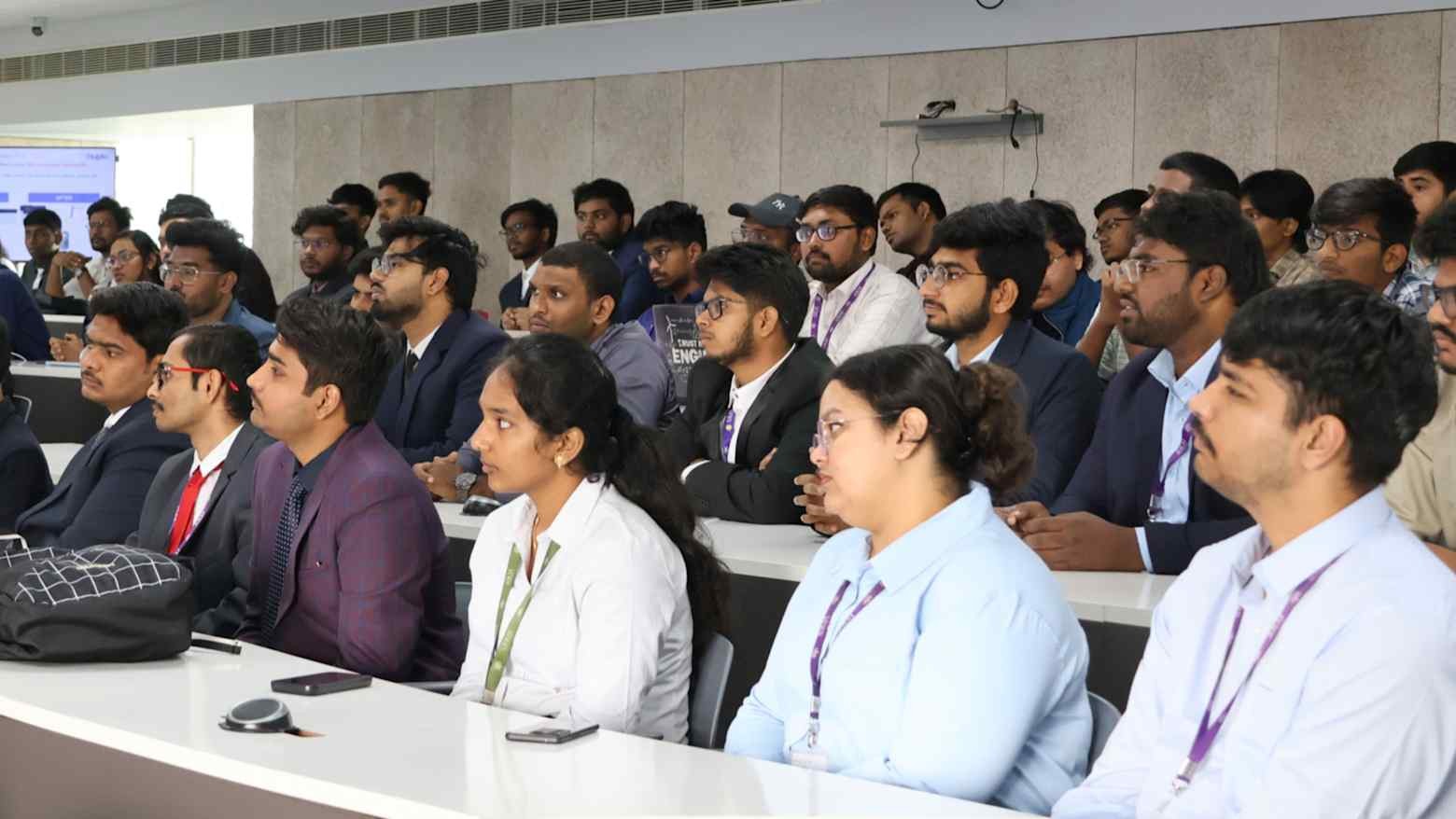 Photo Source: Utako Kawakami/Nikkei
Facing labor shortages, Japanese companies are increasingly recruiting science and engineering graduates in India, where only about 40% of new graduates secure jobs. Firms such as Duplo Seiko, Meidensha, and Tokyo Energy & Systems are holding recruitment sessions at Indian universities and offering competitive salaries, attracting strong interest from students. Applications far exceed available positions, reflecting India’s abundant talent pool and Japan’s growing need for skilled workers, particularly in electrical and engineering fields. While competition for Indian talent is rising globally and the weak yen poses challenges, Japanese companies see direct recruitment in India as an effective strategy to address domestic workforce shortages.
▶ Japanese Govt to Reduce Risks for Companies Investing in Overseas Projects Vital for Economic Security
12 Feb, 2026
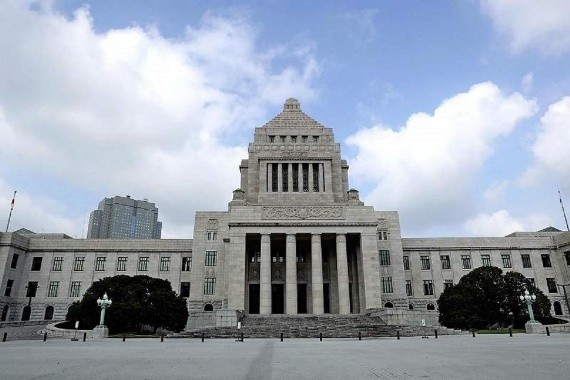 Photo Source: Yomiuri
Japan plans to introduce a “designated overseas business projects” system under a revised Economic Security Promotion Law, allowing the government to assume losses for high-risk overseas investments by Japanese companies that are vital for economic security. The law targets projects such as port development, undersea cables, data centers, and medical infrastructure in emerging and developing nations, aiming to strengthen supply chains, counter foreign economic coercion, and protect critical infrastructure. The Japan Bank for International Cooperation (JBIC) will provide financial support, including higher-risk subordinated capital, while profits go first to private companies. The revision also expands the list of “critical products” to include essential services, and mandates cyberattack reporting for medical institutions.
Yomiuri: https://japannews.yomiuri.co.jp/politics/defense-security/20260212-310757/
▶ Japan to subsidize anti-jamming tech that protects satellite signals
12 Feb, 2026
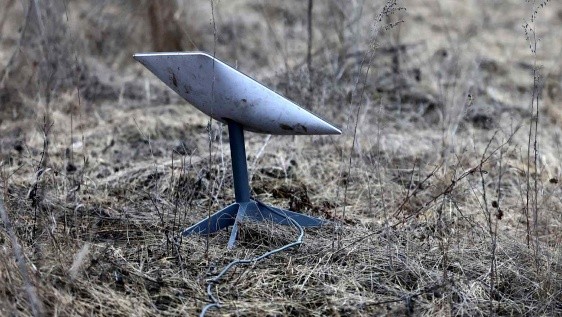 Photo Source: Reuters
Japan plans to support the development of anti-jamming technology for satellite communications, aiming for commercialization around 2033. The Internal Affairs Ministry will subsidize companies developing secure components, encryption software, and signal-protection materials, with funding provided through JAXA’s Space Strategy Fund.
The move follows satellite signal disruptions in Europe and the Middle East and reflects growing security concerns. Japan hopes to build a domestic manufacturing base for secure satellite systems and expand dual-use (civilian and military) satellite communications as global demand for space security rises.
Nikkei Asia: https://asia.nikkei.com/business/technology/japan-to-subsidize-anti-jamming-tech-that-protects-satellite-signals
▶ Japan eyes development of national intelligence strategy
12 Feb, 2026
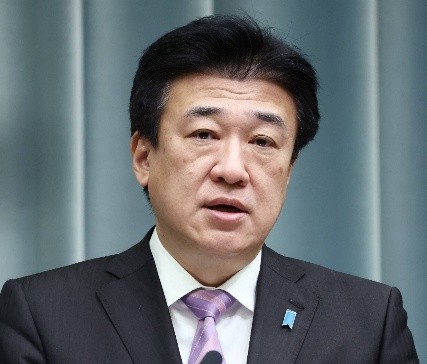 Photo Source: JIJI
Japan is considering creating a national intelligence strategy as part of Prime Minister Sanae Takaichi's efforts to strengthen the country’s intelligence capabilities. Chief Cabinet Secretary Minoru Kihara stated that gathering, analyzing, and making decisions based on accurate information is essential for Japan's strength and prosperity. If created, this would be Japan's first national intelligence strategy, separate from the current National Security Strategy, which also calls for enhanced information-gathering and analysis.
Japan Times: https://www.japantimes.co.jp/news/2026/02/12/japan/japan-national-intelligence-strategy/
▶ Japan's unused defense budget reaches $6.5bn a year amid buildup rush
13 Feb, 2026
 Photo Source: Konosuke Urata/Nikkei
Japan raised its defense budget to 2% of GDP in fiscal 2025, earlier than planned, but nearly 1 trillion yen remains unused each year, suggesting the increase was rushed. The buildup was driven by worsening global security and U.S. pressure, but delays in U.S. weapons deliveries, exchange rate shifts, and reliance on supplementary budgets have created inefficiencies. Future funding is uncertain as Japan debates whether to increase spending further without issuing deficit bonds.
Nikkei Asia: https://asia.nikkei.com/politics/defense/japan-s-unused-defense-budget-reaches-6.5bn-a-year-amid-buildup-rush
--------------------------------------------------------------------------------------------------------------------------------------
2. Business News
▶ Establishment of the World's First¹ Global Supply Chain to Introduce the Use of Renewable Plastics in Sony's High-Performance Products
6 Feb, 2026
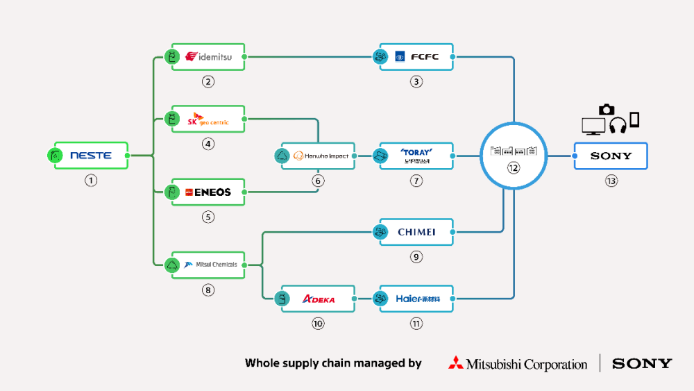 Image: SONY
Sony Corporation and 13 other companies have established the world’s first global supply chain for producing renewable plastics for use in Sony’s high-performance audio-visual products. The supply chain spans five countries and involves various companies producing renewable materials such as naphtha, styrene monomer, polystyrene resin, and polycarbonate resin. This initiative aims to reduce reliance on fossil-based plastics by using renewable resources and a mass balance approach to ensure quality and performance. The project is part of Sony’s "Creating NEW from reNEWable materials" initiative to achieve zero usage of virgin fossil-based plastics and reduce the carbon footprint of its products.
SONY: https://www.sony.co.jp/en/news-release/202602/26-0206E/
▶ Mitsubishi Electric Awarded Contract for Next-generation Defense Satellite Communications System by Japan Ministry of Defense
6 Feb, 2026
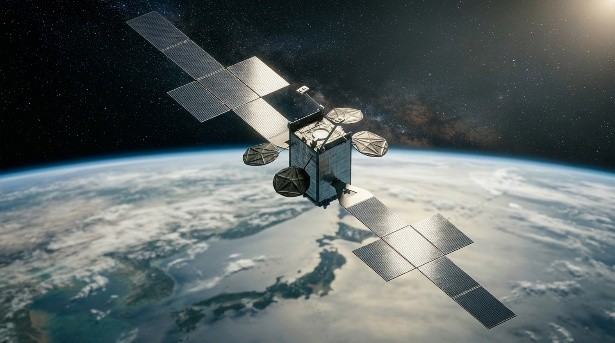 Photo Source: Mitsubishi Electric
Mitsubishi Electric has secured a contract from Japan’s Ministry of Defense to develop a next-generation defense satellite communications system. The project involves manufacturing a new satellite to replace the Kirameki-2 and designing a supporting ground system. The new satellite will offer enhanced communication capacity and interference resistance, supporting the growing needs of the Japan Self-Defense Forces. This project aligns with Japan's Space Domain Defense Guidelines and aims to strengthen national security and defense infrastructure.
Mitsubishi Electric: https://www.mitsubishielectric.com/en/pr/2026/0206-b/
▶ In world first, Japan's Marubeni tests shipping hydrogen trapped in metal
7 Feb, 2026
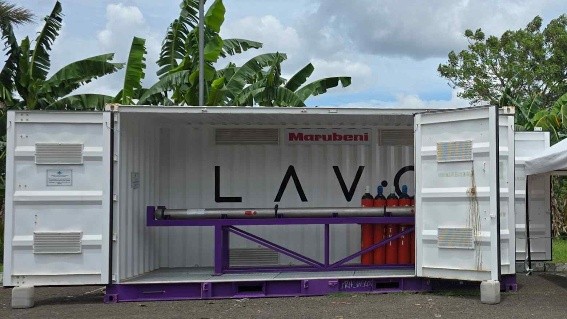 Photo Source: Marubeni
Marubeni completed the world’s first international shipment of green hydrogen using a metal hydride alloy. The hydrogen, produced in Australia, was transported by container to Indonesia, where it was successfully extracted and used to generate electricity with fuel cells. The trial demonstrated safe, efficient transport of hydrogen, bypassing some challenges of compressed or liquefied gas, though scaling the system economically remains difficult. Marubeni sees potential for supplying remote islands and emergency power, and the project is linked to Japan’s carbon credit and green energy initiatives under the Joint Crediting Mechanism.
Nikkei Asia: https://asia.nikkei.com/business/energy/in-world-first-japan-s-marubeni-tests-shipping-hydrogen-trapped-in-metal
▶ Gas container using Nobel Prize winner’s technology draws attention
8 Feb, 2026
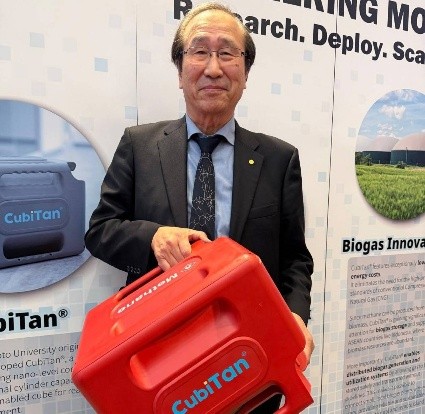 Photo Source: JIJI
A gas container called CubiTan, developed using Nobel Prize-winning technology by Susumu Kitagawa, is drawing attention for its potential to improve gas transport efficiency. Made by the startup Atomis, the container uses metal-organic frameworks to store gas in microscopic pores.
Currently undergoing demonstration tests in Indonesia, where it can help transport methane gas produced during palm oil processing, CubiTan is expected to be commercialized by 2027. However, due to strict regulations, it has not yet been approved for use in Japan. Atomis plans to seek deregulation based on test results.
Japan times: https://www.japantimes.co.jp/news/2026/02/08/japan/science-health/japan-nobel-winner-gas-container/
▶ Japanese aluminum king UACJ to make key H3 rocket component at home
9 Feb, 2026
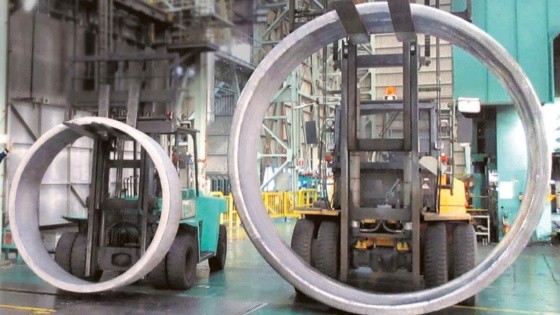 Photo Source: UACJ
UACJ plans to produce a major H3 rocket component domestically, investing roughly 12 billion yen at its Oyama facilities, with production expected to start in 2029. The move, partially subsidized by Japan Aerospace Exploration Agency, will strengthen Japan’s H3 supply chain, reduce shipping and tariff costs, and support the government’s goal of increasing annual rocket launches from a few today to around 30 per year by the early 2030s to boost aerospace competitiveness.
About UACJ: https://www.uacj.co.jp/english/
▶ MOL Joins 5-way Public-private Partnership in 1st Ship-to-ship Methanol Bunkering at Anchorage in Yokohama
9 Feb, 2026
 Photo Source: Mitsui O.S.K.Lines
Mitsui O.S.K. Lines (MOL), in partnership with the City of Yokohama, Kokuka Sangyo, Idemitsu Kosan, and Mitsubishi Gas Chemical (MGC), successfully completed Japan’s first ship-to-ship methanol bunkering operation in Keihin Port, Yokohama, on February 6, 2026. The transfer involved using domestically produced biomethanol from MGC’s Niigata Plant. Methanol is a clean-burning alternative fuel that reduces CO2 and other emissions, making it a promising option for carbon-neutral shipping. This operation marks a key milestone in advancing methanol bunkering in Japan. MOL plans to deploy 90 LNG/methanol-fueled vessels by 2030 as part of its commitment to achieving net-zero GHG emissions by 2050.
Mitsui O.S.K.Lines: https://www.mol.co.jp/en/pr/2026/26015.html
▶ KS Energy and Hitachi Collaborate on Extra-High Voltage Battery Energy Storage System
10 Feb, 2026
KS Energy Co., Ltd. and Hitachi have agreed to collaborate on developing and operating an Extra-High Voltage Grid Battery Energy Storage System in Kumamoto Prefecture. The system aims to stabilize power supply in the Kyushu region, where renewable energy adoption is growing, by storing and balancing energy based on demand. The collaboration will also include a power trading support system to enhance energy resource utilization and promote carbon neutrality. KS Energy will handle operations, including market forecasting and battery charging/discharging plans, while Hitachi will provide expertise in energy storage systems and project development. This initiative supports regional decarbonization and aims to contribute to a stable renewable energy supply in the Kyushu area.
Hitachi: https://www.hitachi.com/New/cnews/month/2026/02/260210.pdf
▶ Toyota turns to 'green' steel to help slash Japan's industrial CO2 emissions
10 Feb, 2026
 Photo Source: Nikkei
Toyota Motor has begun purchasing low-emissions “green” steel from Nippon Steel, JFE Steel, and Kobe Steel, supporting efforts to cut carbon emissions in steel production. Green steel, often made using electric furnaces, can reduce CO₂ emissions by about 75% compared to traditional blast furnaces, though it costs roughly 40% more. Government subsidies for EVs and plug-in hybrids using green steel are helping offset costs. Toyota’s move follows earlier adoption by Nissan Motor and Isuzu Motors, and is expected to accelerate investment in electric furnaces as Japan’s steel and auto industries work to reduce their significant carbon footprint.
▶ Aperam Stainless Steel Meltshop in Genk Running with Enhanced Reliability After Major Upgrade by Primetals Technologies
10 Feb, 2026
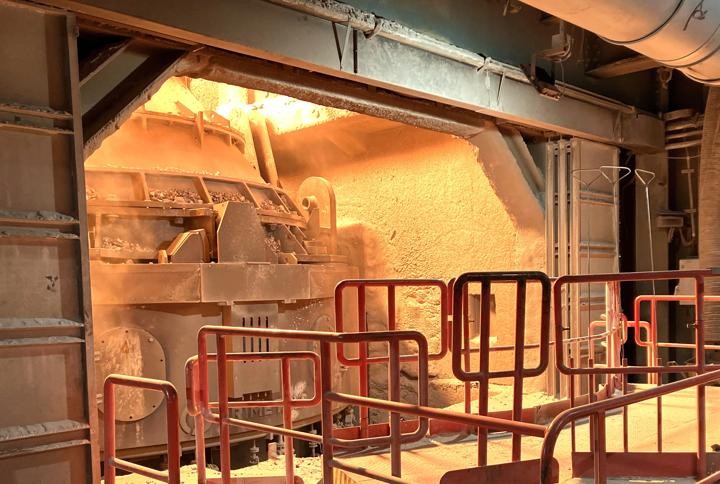 Photo Source: Primetals Technologies
Aperam’s stainless steel meltshop in Genk, Belgium, has undergone a significant upgrade by Primetals Technologies, enhancing production efficiency and environmental sustainability. The installation of a new 130-ton AOD converter and waste heat recovery systems will help reduce carbon emissions and improve energy efficiency. The recovered thermal energy can be used for power generation or district heating, contributing to Aperam’s commitment to sustainable steel production. The project also features automated systems that improve safety and reduce production downtime, further aligning with Aperam’s vision of leading in a circular economy and environmentally responsible manufacturing.
MHI (Primetals Technologies): https://www.primetals.com/en/news/2025113534---aperam-stainless-steel-meltshop-in-genk-running-with-enhanced-reliability-after-major-upgrade-by-primetals-technologies/
▶ Fujitsu to boost server production in Japan, eyeing sovereign AI demand
11 Feb, 2026
 Source: Gartner
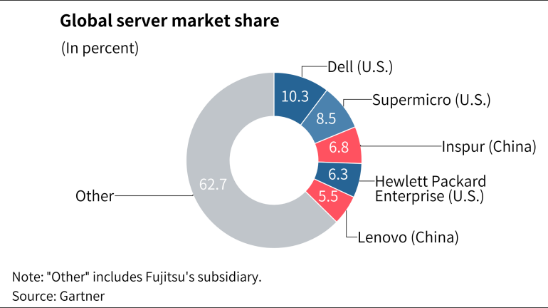
Fujitsu will begin fully domestic production of AI servers in Japan starting in March, shifting key manufacturing processes — including printed circuit board assembly — to its Ishikawa plant to strengthen supply chain control and reduce security risks such as embedded backdoors. The move supports growing demand for “sovereign AI,” where systems are developed and operated within national borders to prevent data leaks. The company plans to supply these servers to critical infrastructure sectors and aims for ¥30 billion in sales over three years. Fujitsu is also developing a 2-nanometer CPU based on Arm designs and will collaborate with Supermicro on server development, positioning itself more competitively in the expanding AI server market.
▶ Japanese Motorcycle Makers Racing to Go Carbon-Neutral
12 Feb, 2026
 Image: The logo of Yamaha Motor/JIJI
Japanese motorcycle manufacturers, including Yamaha and Honda, are accelerating efforts to develop electric motorcycles to reduce carbon emissions. Yamaha aims for 30% of its new motorcycles to be electric by 2027, having already announced four electric scooter models. Honda plans to increase its electric motorcycle share from 0.6% to 7% by 2030 and will launch an electric-only plant in India by 2028. However, challenges remain in making electrification mainstream.
JIJI: https://jen.jiji.com/jc/eng?g=ind&k=2026021200732
▶Japan to test network to smooth data center power demand across regions
12 Feb, 2026
 Photo Source: Hirofumi Matsuo/Nikkei
Japan will begin a trial this spring to connect regional data centers via fiber optic cables, allowing computing tasks to shift to areas with surplus electricity. Led by the Ministry of Internal Affairs and Communications, the project aims to improve energy efficiency by integrating power and communications infrastructure under the “Watt-Bit Collaboration” initiative. The effort addresses regional power imbalances and rising electricity demand driven by AI. By redistributing processing workloads instead of building costly new power infrastructure, Japan hopes to optimize energy use and enable smaller, remote data centers to operate as effectively as large ones, with full implementation targeted for the late 2030s.
Nikkei Asia: https://asia.nikkei.com/business/technology/japan-to-test-network-to-smooth-data-center-power-demand-across-regions
▶ Lockheed Martin and Fujitsu Formalize Industrial Collaboration for Japan Defense
12 Feb, 2026
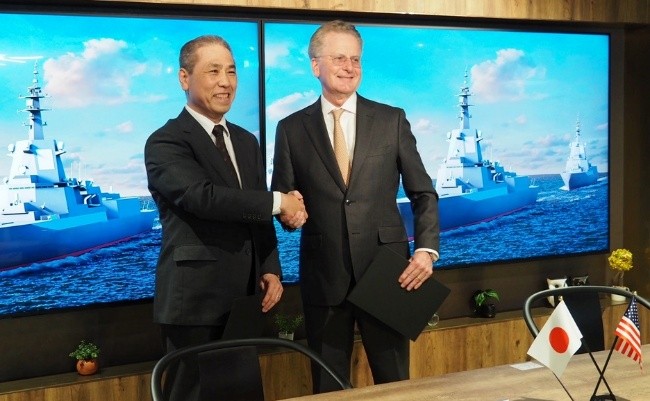 Photo Source: Fujitsu
Lockheed Martin and Fujitsu Limited finalized their first purchase order for a key component of Japan’s ASEV SPY-7 radar system, formally establishing Fujitsu as a domestic supplier. The agreement advances co-production in Japan and strengthens a Japan-based supply chain for the SPY-7 radar, enhancing long-term maintenance, defense self-reliance, and Indo-Pacific security cooperation.
Fujitsu: https://global.fujitsu/en-global/pr/news/2026/02/12-03
▶ NYK Group Operates Methanol-Fueled Bulk Carrier for BHP, achieving 65% GHG Emission Reduction
12 Feb, 2026
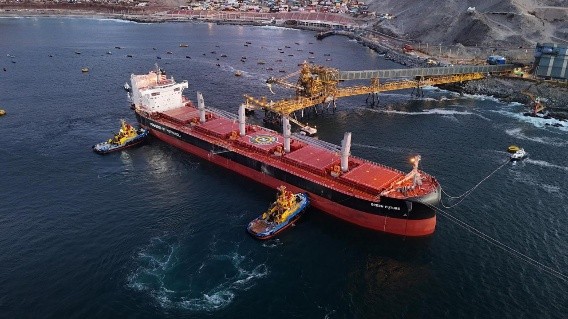 Photo Source: Inchcape Shipping Services
The NYK Group has taken significant steps towards decarbonization by using low-carbon methanol produced from biomass-derived feedstock for a voyage involving copper concentrate transport. The fuel, bunkered at Ulsan port, South Korea in September 2025, is certified under ISCC EU standards for sustainability. This initiative helps reduce Scope 1 emissions from the vessel's operations and Scope 3 emissions in the copper supply chain. The NYK Group’s "Green Future" methanol dual-fuel bulk carrier is set for delivery in May 2025, with the first low-carbon methanol bunkering in September 2025. The project highlights NYK's commitment to using low-carbon fuels and supporting sustainable supply chains across industries.
NYK: https://www.nyk.com/english/news/2026/20260212_01.html
▶ Japanese automakers take $13bn profit hit from Trump tariffs
13 Feb, 2026
 Photo Source: Azusa Kawakami
U.S. tariffs under the Trump administration cut 2.1 trillion yen from April–December operating income at seven major Japanese automakers, wiping out about 30% of their profits. Higher auto tariffs — raised to 27.5% before being reduced to 15% — hit exports hard, pushing Mazda and Nissan into losses and sharply reducing profits at Subaru and Toyota. A stronger yen and semiconductor shortages added further pressure, driving combined operating income down 28% and net income down 36%. Automakers expect tariff-related losses of nearly 2.5 trillion yen for the full fiscal year and are cutting costs to offset the impact.
Nikkei Asia: https://asia.nikkei.com/economy/trade-war/trump-tariffs/japanese-automakers-take-13bn-profit-hit-from-trump-tariffs
Published: February 2026


EU-Japan Centre for Industrial Cooperation
Joint venture established in 1987 by the European Commission (DG GROW) and the Japanese Government (METI) for promoting all forms of industrial, trade and investment cooperation between the EU and Japan.


Copyright © 2026 EU-Japan Centre