このたび、日本企業の欧州での投資・事業展開に役立つ情報を日本語と英語で月1回お届けするニュースレターを創刊し、第1号(2026年9月号)を公開しました。
近年、日EU関係が幅広く発展し、…


JAPANESE ECONOMIC AND BUSINESS WEEKLY NEWSLETTER: 28 February- 06 March, 2026

The EU Japan Centre is releasing a weekly press review covering Japan's economic and business matters.
Weekly Japanese Economic and Business News (28 February - 6 March, 2026)
Outline
1. Economic News
▶ Japan to develop rare earth mines in Africa to end reliance on China
28 Feb, 2026
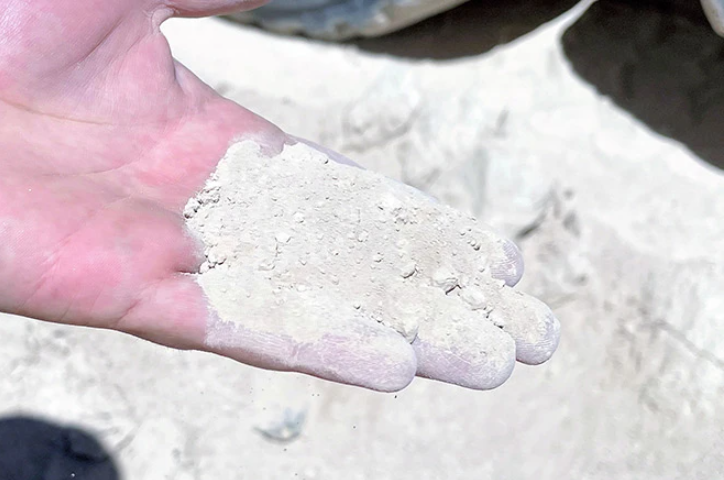
Photo Source: Asahi
Japan plans to develop rare earth mines in Africa, including in Namibia, to reduce dependence on China after Beijing tightened export controls on key minerals like dysprosium and terbium. Through JOGMEC, Japan aims to secure enough supply by 2028 by combining African output with investments in Australian and French projects. However, challenges remain, including environmental risks and high refining costs.
Asahi:https://www.asahi.com/ajw/articles/16386881
▶ Japan to Launch Panel on Intelligence Capabilities in Summer
4 Mar, 2026
Photo Source: Yomiuri
Prime Minister Sanae Takaichi plans to set up an expert panel as early as this summer to strengthen Japan’s intelligence capabilities, including discussing a possible anti-espionage law and enhanced intelligence gathering. The proposal was presented by Takayuki Kobayashi of the Liberal Democratic Party, while the Japan Innovation Party also submitted its own national security recommendations.
JIJI:https://jen.jiji.com/jc/eng?g=eco&k=2026030400672
▶ Japan to expand support for post-IPO startups in AI, robotics
5 Mar, 2026

Photo Source: Nikkei
Japan will expand support for high-tech startups by allowing companies within five years of an IPO to access its loan guarantee program, covering up to 50% of private loans (capped at 2.5 billion yen). The government will also offer subsidies of up to 5 billion yen for large-scale investments to help startups move into mass production. The move aims to close funding gaps for late-stage startups that often go public at low valuations and struggle to raise post-IPO capital.
Nikkei Asia:https://asia.nikkei.com/business/startups/japan-to-expand-support-for-post-ipo-startups-in-ai-robotics
▶ METI Hosts “Public-Private Dialogue towards Robust and Resilient Copper Supply Chains”
5 Mar, 2026
Photo Source: METI
Ministry of Economy, Trade and Industry hosted an international public-private dialogue on strengthening resilient copper supply chains at the PDAC Convention, with participants from 14 countries and regions, including mining companies, smelters, and government agencies. Stakeholders discussed overcapacity in certain regions and declining treatment and refining charges (TC/RC), highlighting risks to the long-term sustainability of the global copper industry. The dialogue emphasized international collaboration to secure stable copper supply, a critical material for energy transition, AI infrastructure, and industrial competitiveness, signaling Japan’s commitment to resilient and strategic supply chains.
METI: https://www.meti.go.jp/english/press/2026/0304_001.html
▶ Japan in talks to use NATO's defense-tech accelerator
5 Mar, 2026

Photo Source: REUTERS
North Atlantic Treaty Organization and Japan are negotiating to allow Japanese startups to join the Defence Innovation Accelerator for the North Atlantic, NATO’s defense-tech accelerator. If approved, Japan would become the first non-NATO country whose companies can access the program, enabling collaboration and testing of AI, cyber, space, and quantum technologies within NATO networks. The move reflects deepening security and technology cooperation amid growing strategic competition with Russia and China.
Nikkei Asia:https://asia.nikkei.com/politics/defense/japan-in-talks-to-use-nato-s-defense-tech-accelerator
▶ Japan carbon fiber makers aim higher as Chinese rivals close in
5 Mar, 2026
Source: Nikkei and Toray Industries
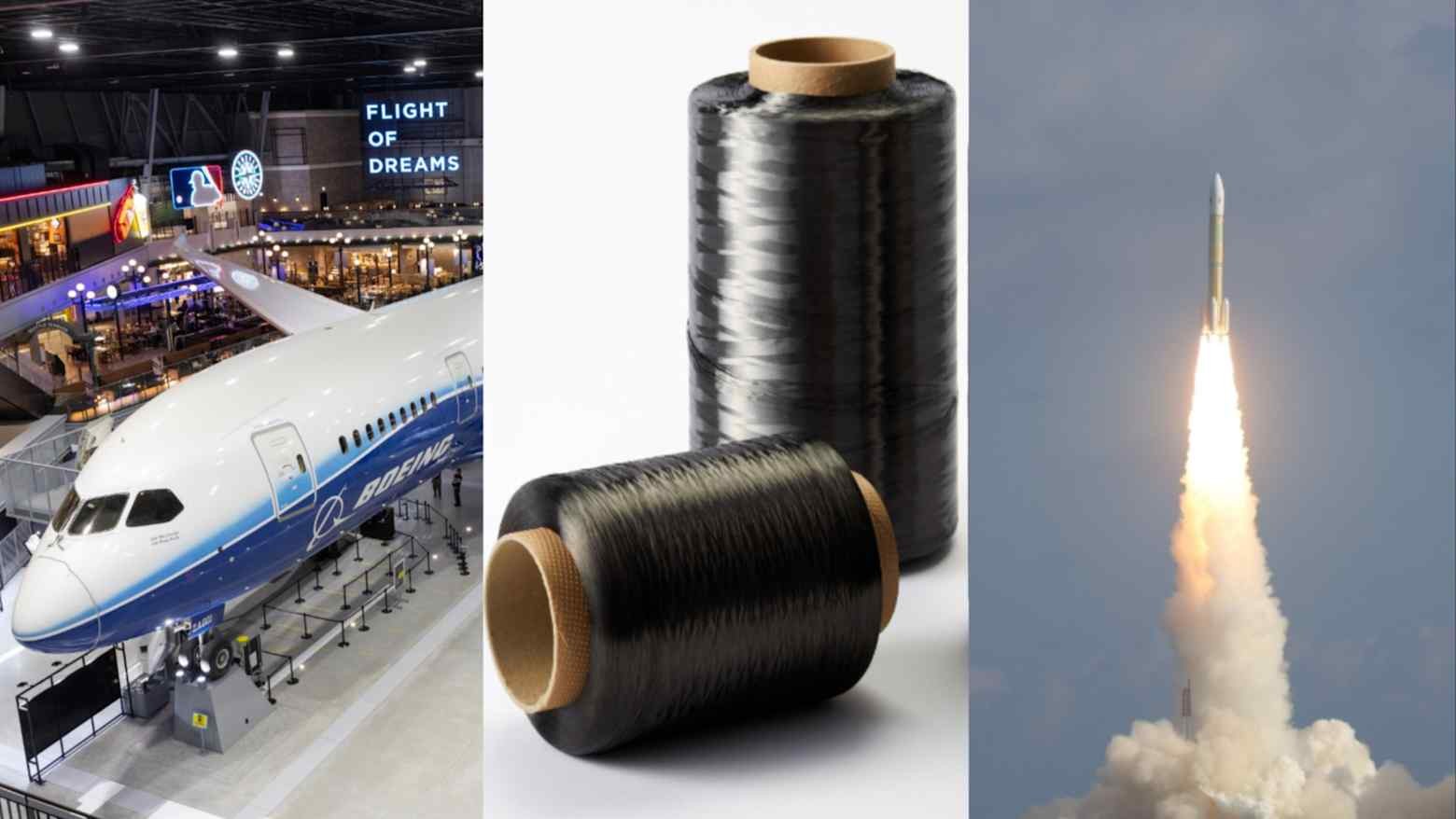
Japan’s carbon fiber industry is shifting toward higher-value sectors as Chinese competitors rapidly expand their global presence. In 2024, Japanese producers held about 40% of the global market, while Chinese companies grew their share from 10% in 2016 to 37%, intensifying price competition in lower-grade products. To protect profitability, Japanese firms are focusing on aerospace, defense, space, and next-generation vehicle applications, where margins are higher and technological barriers are stronger. The global carbon fiber composites market is projected to reach about ¥8.7 trillion by 2050, highlighting both strong long-term demand and rising international competition shaping the industry’s restructuring.
Nikkei Asia:https://asia.nikkei.com/business/materials/japan-carbon-fiber-makers-aim-higher-as-chinese-rivals-close-in
▶ Rare earth yttrium hits new high, up 140-fold in 1 year on China curbs
6 Mar, 2026
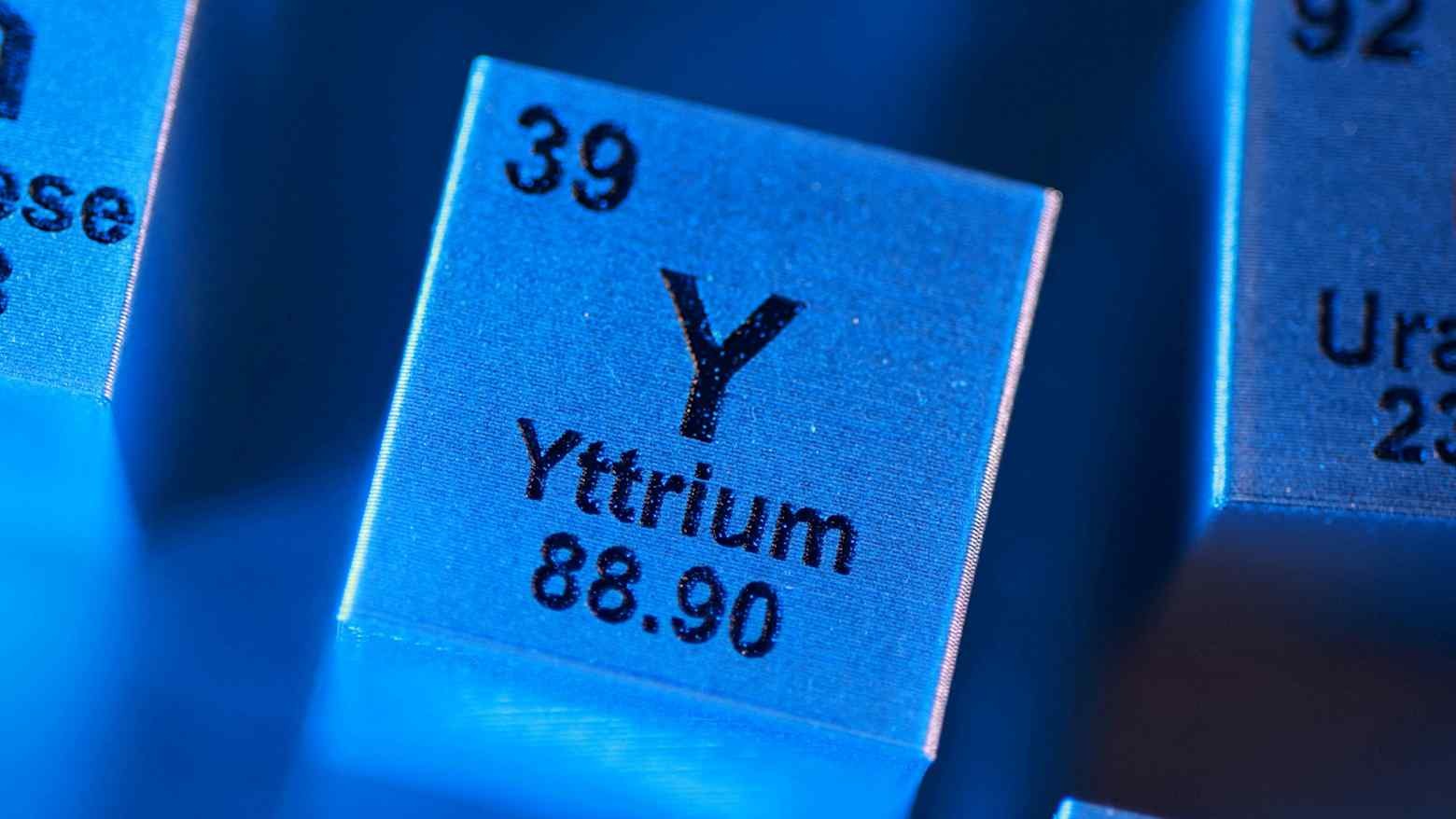
Photo Source: REUTERS
The price of Yttrium in Europe has surged about 140-fold to around $850/kg after China imposed export controls on several rare-earth materials beginning in 2025 and added further restrictions on shipments to Japan in 2026. The curbs have raised global supply concerns for the metal, which is widely used in electronics, semiconductor equipment, and defense technologies such as aircraft engines. The spike highlights growing vulnerabilities in rare-earth supply chains, as China dominates production.
--------------------------------------------------------------------------------------------------------------------------------------
2. Business News
▶ Japan's Rapidus bags $1.7bn in funding in step toward mass production
27 Feb, 2026

Photo Source: Arisa Moriyama/Nikkei
Rapidus Corporation has secured ¥267.6 billion ($1.7 billion) from the Japanese government and 32 companies, with private funding exceeding expectations. Major backers include SoftBank, Sony, and Fujitsu, reflecting confidence in its 2-nm semiconductor development for AI applications. However, Rapidus still needs trillions of yen more to reach mass production by 2027 and secure customers, as significant technical and financial challenges remain.
▶ KDDI to introduce humanoid robot in retail shops to serve customers
2 Mar, 2026

Photo Source: Kyodo
KDDI Corp. will introduce humanoid robots powered by physical AI to serve customers in retail shops and other facilities, with trial operations planned as early as this fall. The company will showcase the technology at Mobile World Congress in Barcelona.
In partnership with startup Avita Inc., KDDI aims to develop next-generation AI systems that interact with the physical world. The robots, to be deployed at “au” stores and other locations, will use cloud-linked communication technology and are expected to improve their conversational skills through customer interactions.
Mainichi:https://mainichi.jp/english/articles/20260302/p2g/00m/0bu/020000c
▶ AI gives Japan's aging cement industry chance for renewal
2Mar, 2026

Photo Source: REUTERS
Taiheiyo Cement plans to introduce AI to automate rotary kiln operations in Japan starting in fiscal 2026, addressing labor shortages and the loss of experienced workers. The AI system learns operating patterns from data such as temperature and pressure, helping replicate skills that were traditionally passed down through on-the-job training. With more than 60% of Japanese manufacturers facing shortages of skilled trainers, AI is seen as a way to preserve technical know-how. Other materials companies, such as Asahi Kasei and Kobe Steel, are also adopting AI for hazard prediction and automated welding. Although AI development increases costs, companies view it as a necessary investment to maintain productivity and innovation amid a shrinking workforce.
Nikkei Asia:https://asia.nikkei.com/business/companies/ai-gives-japan-s-aging-cement-industry-chance-for-renewal
▶Suzuki buys solid-state battery business to boost EV development
4 Mar, 2026

Photo Source: REUTERS
Suzuki Motor will acquire the solid-state battery business of Kanadevia on July 1 to strengthen its EV technology. Kanadevia expects a gain of about ¥7.4 billion from the transfer. Solid-state batteries offer higher energy density, longer driving range, and improved safety. As competition in next-generation EV batteries intensifies, Suzuki aims to accelerate development by inheriting Kanadevia’s advanced technology. The move supports Suzuki’s broader EV push, with plans to launch multiple electric models in Japan, India, and Europe by fiscal 2031.
▶ Honda to import China-made EVs to bolster Japanese lineup
5 Mar, 2026
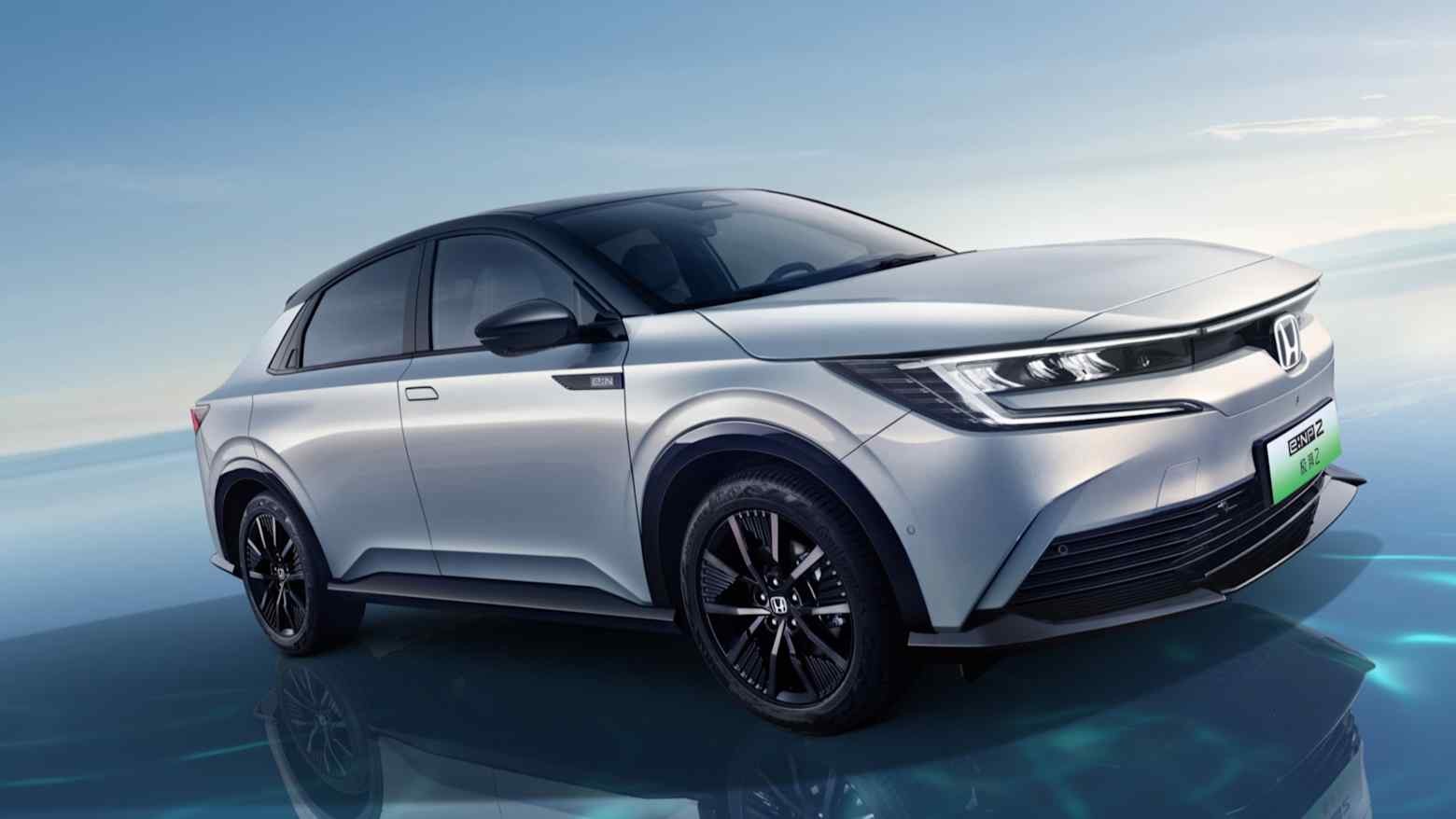
Source: HONDA MOTOR
Honda Motor plans to sell a China-produced electric vehicle in Japan as early as this spring, marking the first time a Japanese automaker will offer a China-made EV in the domestic market. The vehicle, based on Honda’s e:N series and sold under the Honda Insight name in Japan, is expected to have a driving range of about 500 km. The move aims to expand Honda’s limited EV lineup in Japan while also increasing factory utilization in China, where sales have recently declined.
▶ BMW adopts smart-car tech from Japan's NTT for global EV
6 Mar, 2026

Photo Source: REUTERS
German automaker BMW will use NTT Docomo Business’s smart-car connectivity system in its new iX3 electric vehicle, starting with global models in 2026. The system enables stable mobile connections across countries, supporting real-time data exchange, safe driving features, and over-the-air software updates. The technology will be installed in vehicles sold in about 100 countries (excluding the U.S. and China) and may be used in future BMW Neue Klasse EV models. The contract is notable because a Japanese company replaced a German telecom provider for this key vehicle connectivity infrastructure.
Nikkei Asia: https://asia.nikkei.com/business/automobiles/bmw-adopts-smart-car-tech-from-japan-s-ntt-for-global-ev
▶ Honda to import US-made SUV, luxury sedan to Japan this year
6 Mar, 2026

Photo Source: Shoya Okinaga/Nikkei
Honda Motor plans to sell North America–produced vehicles in Japan from the second half of 2026, including the Acura Integra Type S and Honda Passport TrailSport, following simplified certification procedures for U.S.-made cars introduced under the recent Japan–U.S. tariff agreement. The company also plans to launch a new Honda Insight EV in Japan based on a China-produced model, marking the first time a Japanese automaker will import and sell a China-made EV domestically.
Nikkei Asia:https://asia.nikkei.com/business/automobiles/honda-to-import-us-made-suv-luxury-sedan-to-japan-this-year
▶ Toyota group's Denso makes bid to acquire chipmaker Rohm for up to $8bn
6 Mar, 2026
Source: Nikkei
Denso has reportedly made a takeover bid for semiconductor manufacturer Rohm, with the deal potentially worth up to ¥1.3 trillion ($8.2 billion). If completed, the acquisition would strengthen Japan’s position in power semiconductors, which are essential for electric vehicles and data centers. The move reflects growing industry consolidation as Japanese firms face increasing competition from Chinese semiconductor producers.
Published: March 2026


EU-Japan Centre for Industrial Cooperation
Joint venture established in 1987 by the European Commission (DG GROW) and the Japanese Government (METI) for promoting all forms of industrial, trade and investment cooperation between the EU and Japan.


Copyright © 2026 EU-Japan Centre