The Minerva Policy Reports deliver comprehensive research on the dynamic political, economic, and…


JAPANESE ECONOMIC AND BUSINESS WEEKLY NEWSLETTER: 21 - 27 February, 2026

The EU Japan Centre is releasing a weekly press review covering Japan's economic and business matters.
Weekly Japanese Economic and Business News (21 - 27 February, 2026)
Outline
1. Economic News
▶ Japan aims for 32% expansion of used-goods market by 2030
22 Feb, 2026

Photo Source: Kyodo
Japan plans to expand its used-goods market to 4.6 trillion yen by 2030, a 32% increase from 2024, as part of efforts to curb waste and reduce carbon dioxide emissions. The government will create guidelines for secondhand businesses, introduce evaluation systems for retailers and flea market apps, and encourage local governments to use more recycled goods. By promoting reuse and improving consumer trust, Tokyo aims to significantly cut CO₂ emissions while boosting the circular economy.
Mainichi:https://mainichi.jp/english/articles/20260222/p2g/00m/0bu/010000c
▶ China issues dual-use blacklist of 20 Japanese entities
24 Feb, 2026
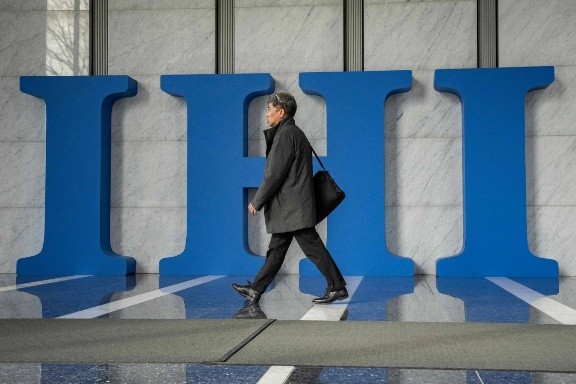
Photo Source: AFP-JIJI
China has introduced new export restrictions targeting 40 Japanese organizations. Twenty entities have been placed on a blacklist for allegedly supporting Japan’s military capabilities, which means exports of dual-use items to them are generally prohibited unless special government approval is granted. Any ongoing shipments must also be stopped immediately. Another 20 organizations have been put on a watch list. Exports to these entities are not fully banned, but companies must submit individual applications, provide risk assessments, and guarantee that the goods will not be used for military purposes. Organizations on the watch list can apply to be removed if approved by Chinese authorities.
Japan Times: https://www.japantimes.co.jp/business/2026/02/24/economy/china-japan-companies-watch-list/
▶ Japan-backed JICT steers corporate players through subsea cable tangle
24 Feb, 2026
Source: NTT Data Group
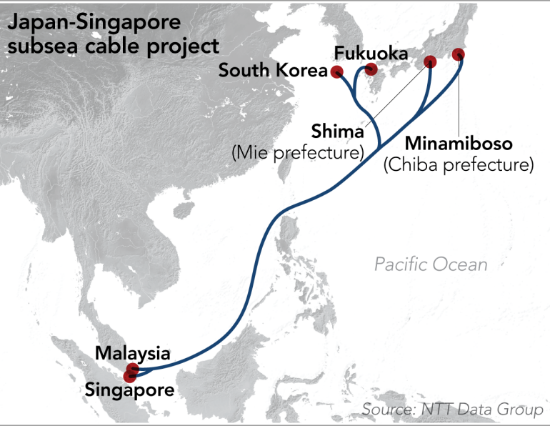
Japan-backed fund JICT is expanding its role in financing critical ICT infrastructure, including subsea cables, as private lenders avoid geopolitical risks and long payback periods. Backed by 22 Japanese companies, it supports the Japan-Singapore cable project with $73 million in equity and loans. Founded in 2015, JICT provides long-term financing and risk management to help Japanese firms expand overseas, with its mandate likely extending to 2045. Despite long payback periods, it aims to secure major returns by 2028 while strengthening Japan’s strategic ICT capabilities.
▶ Japan aims to build onshore AI chip ecosystem with new R&D hubs
26 Feb, 2026
Source: U.S Semiconductor Industry Association/Boston Consulting Group
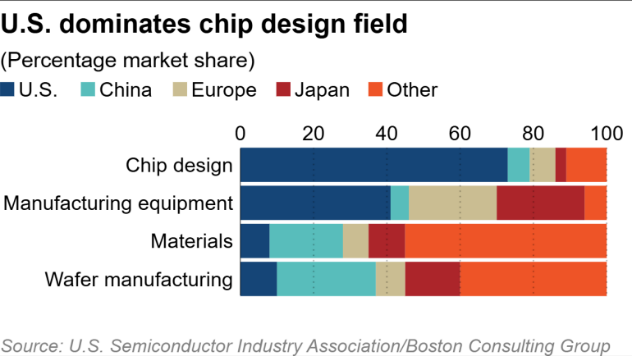
Japan will build three semiconductor hubs to boost domestic AI chip production, focusing on design in Tokyo, equipment and materials in Hokkaido, and testing high-performance chips. Funded with 130.6 billion yen ($839 million), the centers will offer affordable access to companies and universities, aiming to strengthen Japan’s semiconductor industry and support TSMC and Rapidus.
▶ Japan to subsidize rare-earth recycling push, reducing reliance on China
24 Feb, 2026
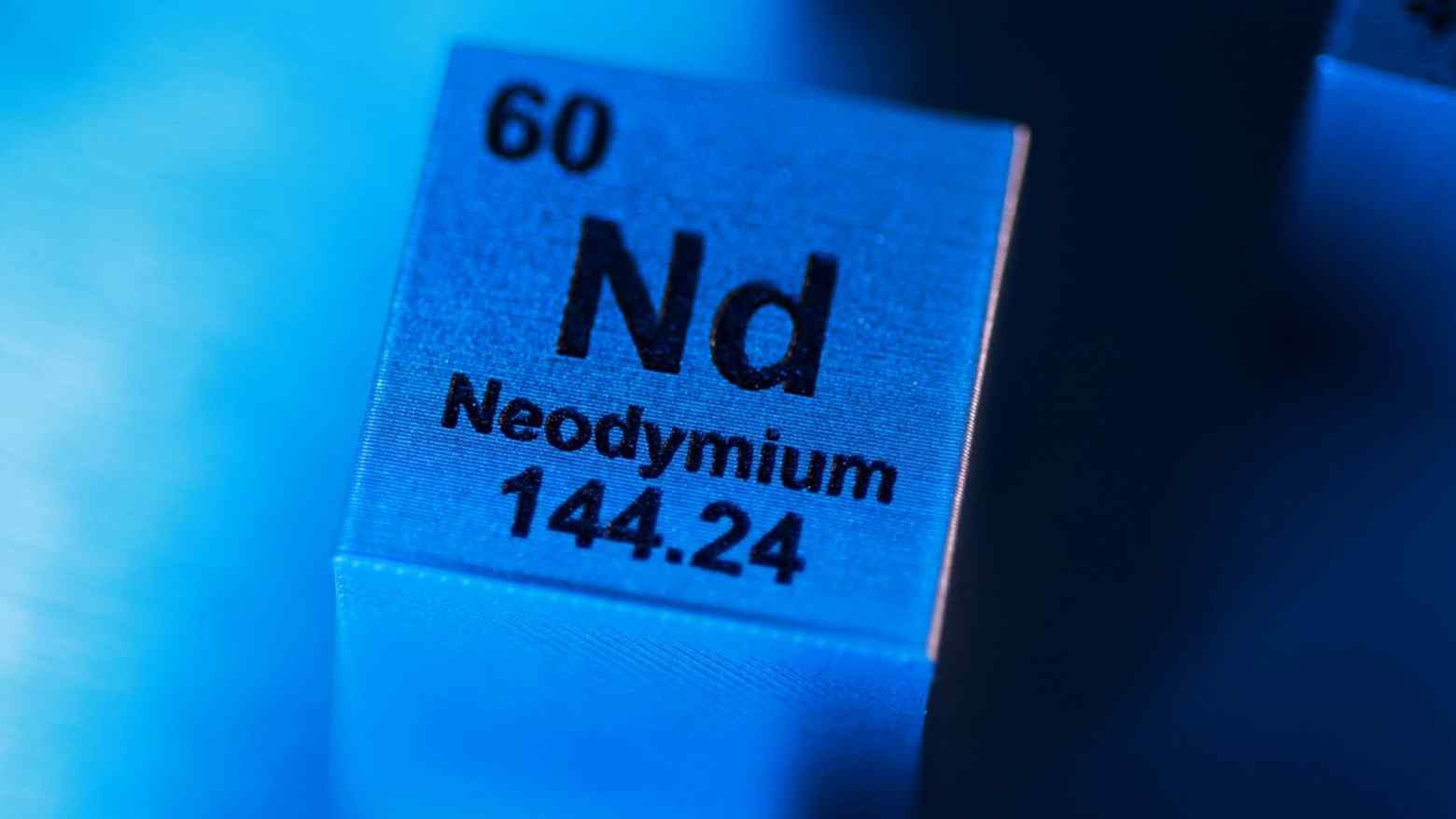
Photo Source: REUTERS
Japan will provide subsidies starting in fiscal 2026 to support infrastructure for recycling rare-earth materials, including equipment for transport, storage, and quality testing. Demonstration projects will recover rare-earth elements, such as neodymium from used electric vehicle motors, to reduce reliance on Chinese imports. The Environment Ministry added 6 billion yen ($38.8 million) to its 2026 budget, with projects selected through open proposals. Japan also aims to increase electronic waste recycling to 500,000 metric tons annually by 2030. The initiative is part of efforts to strengthen domestic supply chains and cooperate with the U.S. on rare-earth resources.
▶ Japan's Proterial to invest $77m in India to make metal for transformers
27 Feb, 2026
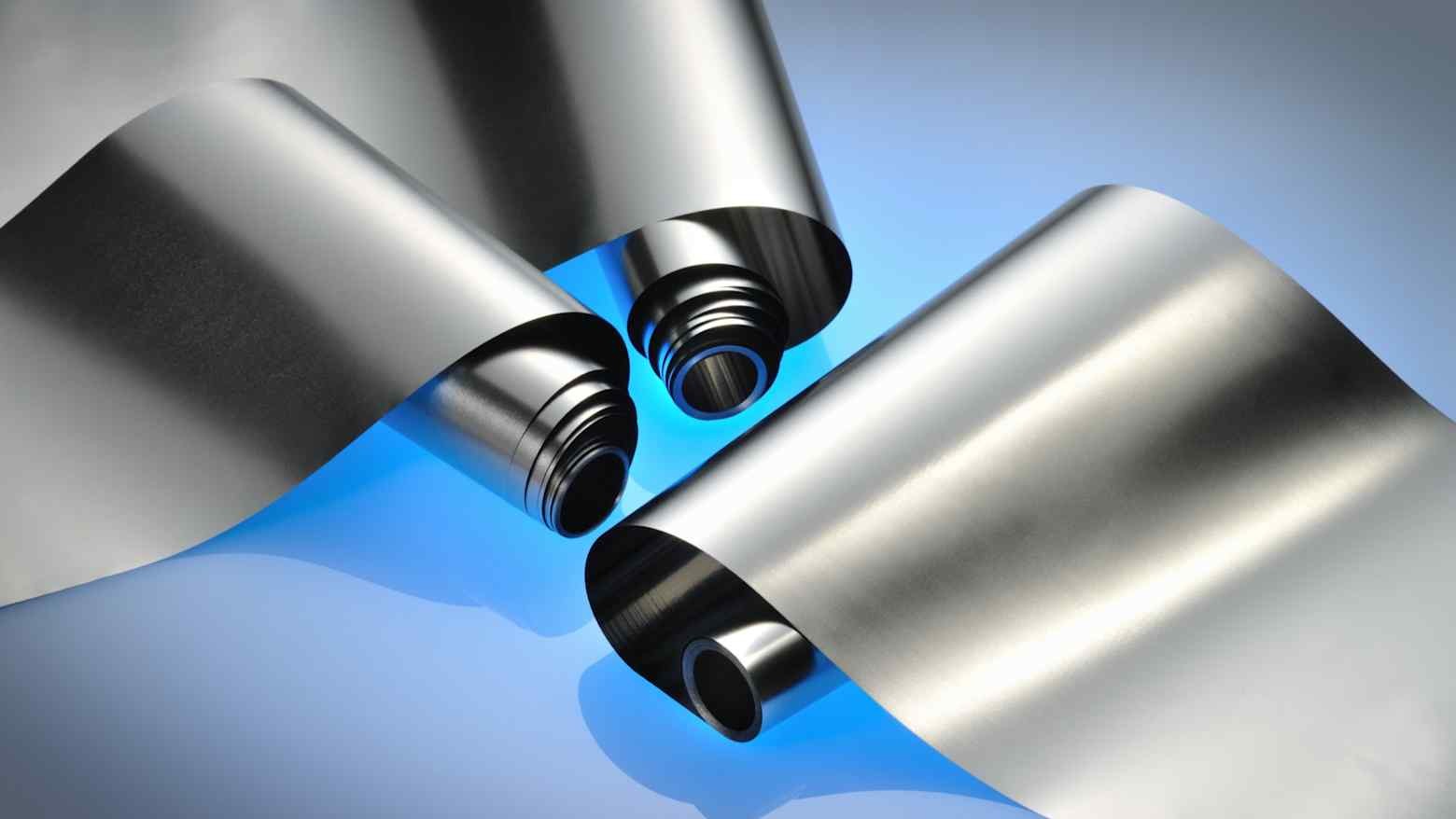
Photo Source: Proterial
Japan’s Proterial will invest 12 billion yen ($76.9 million) to build its first Indian plant producing energy-efficient amorphous metal for transformers, aiming to capture rising power demand in the world’s third-largest electricity market. The Andhra Pradesh facility, set to begin operations in October, will have an initial annual capacity of 30,000 metric tons and increase the company’s global output by about 50%. Proterial targets $100 million in sales from the plant by 2030 as it expands in India’s growing energy and industrial sectors.
▶ Italy's global exports top Japan's for 1st time, weathering Trump tariffs
27 Feb, 2026

Photo Source: Ken Suzuk/Nikkei
Italy surpassed Japan in global exports by value for the second half of 2025, with $376 billion in shipments versus Japan’s $370 billion, marking the first six-month lead in over 50 years, according to OECD data. Italy’s diverse exports—luxury goods, food, pharmaceuticals, and apparel—helped it weather U.S. tariffs, while Japan’s auto-focused exports were hit by higher tariffs and stagnant growth. Despite this, Japan still slightly led Italy for the full year, and Japanese companies saw record income from overseas subsidiaries even as the trade balance posted a deficit.
▶ Japan's January industrial output up 2.2% on month on strong autos
27 Feb, 2026

Photo Source: Kyodo
Japan’s industrial output rose 2.2% in January, marking the first increase in three months, led by strong automobile and plastic production, government data showed. Output grew in 13 of 15 sectors, with automakers up 9.1% due to solid domestic and overseas demand. Production machinery declined, and transport equipment and electronics are expected to weaken in coming months. Industrial shipments rose 3.2%, while inventories edged up 0.1%.
Kyodo:https://english.kyodonews.net/articles/-/71285
▶ Japan government to hold 10% voting rights in Rapidus but with veto power
27 Feb, 2026

Photo Source: Shintaro Ino/Nikkei
The Japanese government will become the largest shareholder in domestic chipmaker Rapidus, holding around 10% of voting rights but retaining a golden share with veto power over key management decisions. Through the Information-technology Promotion Agency, Japan plans a total investment of 250 billion yen ($1.6 billion) in fiscal 2026, with private investors contributing 167.6 billion yen. The government can increase its voting rights to around 60% if the company faces financial trouble, ensuring control during restructuring. This public-private effort aims to support Rapidus in mass-producing advanced semiconductors while safeguarding economic security.
--------------------------------------------------------------------------------------------------------------------------------------
2. Business News
▶ Suzuki-backed flying car startup tests Tokyo service
24 Feb, 2026
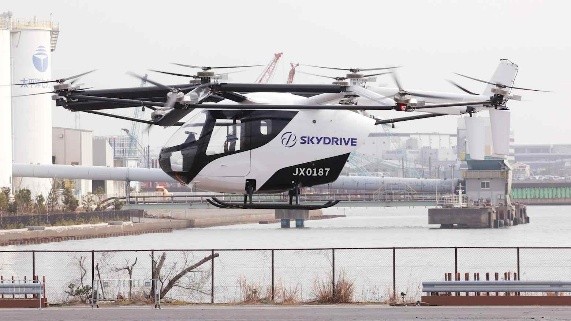
Photo Source: Yuji Murakami/Nikkei
Japanese startup SkyDrive began demonstration flights in Tokyo for its SD-05 flying car, aiming for commercial operations in 2028. The unmanned vehicle carries a pilot and two passengers, with precise 12-motor control. CEO Tomohiro Fukuzawa expects fares to fall to about double a regular taxi by 2030. Backed by Suzuki Motor and others, SkyDrive has 415 pre-orders and has raised over 43 billion yen ($277 million). Japan promotes flying cars as part of its tech strategy, with the global market projected to reach 185 trillion yen by 2050.
Nikkei Asia:https://asia.nikkei.com/business/automobiles/suzuki-backed-flying-car-startup-tests-tokyo-service
▶ Toshiba and MIRISE Achieve World’s First Deployment of a Quantum Inspired Optimization Computer on an Autonomous Mobile Robot
24 Feb, 2026
Source: Toshiba
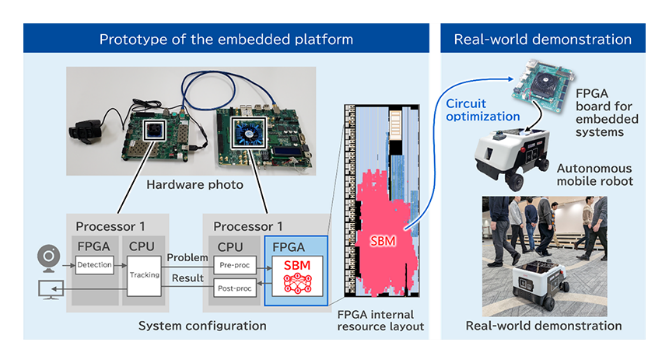
Toshiba and MIRISE built a robot that can see and track multiple moving objects at once, even if some are hidden or crossing paths. They used a special “quantum-inspired” computer called SBM that fits inside the robot and works fast and efficiently without needing big computers. In tests, the robot could plan safe paths and avoid obstacles in real time. In the future, this technology could be used in self-driving cars, delivery robots, construction machines, and smart city systems to help them make quick and safe decisions on their own.
Toshiba:https://www.global.toshiba/ww/technology/corporate/rdc/rd/topics/26/2602-02.html
▶ Mitsubishi Shipbuilding Ships First Units of Systems for Marine Ammonia-Fueled Engines
24 Feb,2026
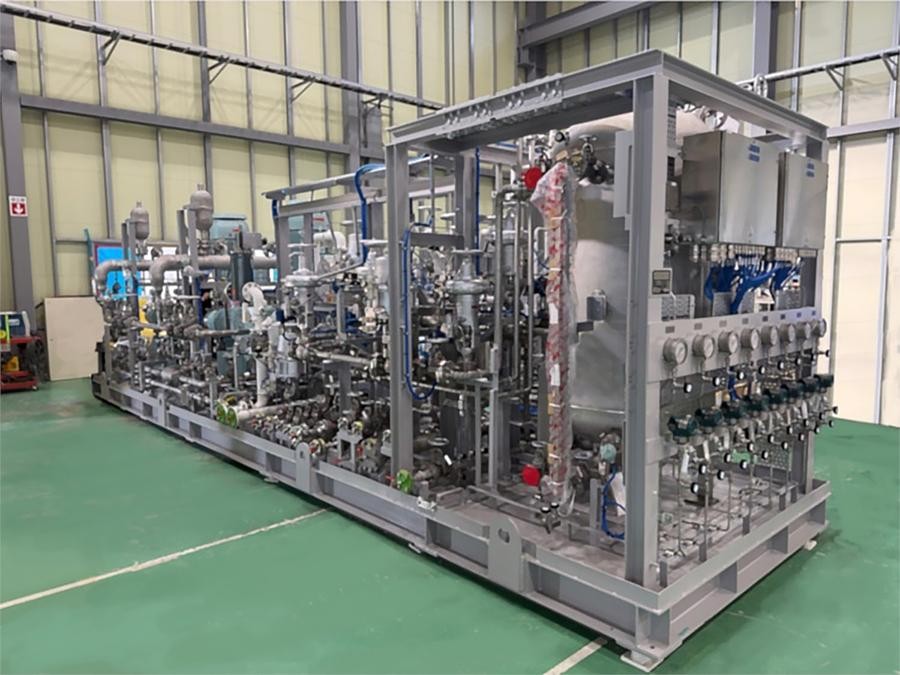
Photo Source: MHI
Mitsubishi Shipbuilding has delivered its first ammonia fuel supply (AFSS) and gas abatement (AGAS) systems for Japan Engine’s ammonia-fueled marine engine, enabling safer and more efficient operation. The systems support remote and automatic control and will allow onboard verification of next-generation ammonia propulsion, advancing maritime decarbonization and supporting the shift toward cleaner shipping fuels.
MHI:https://www.mhi.com/news/26022402.html
▶ Microsoft Japan probed over alleged antitrust violation
25 Feb, 2026

Photo Source: REUTERS
Japan’s Fair Trade Commission (JFTC) inspected Microsoft’s Japanese subsidiary over suspected violations of the Antimonopoly Act related to its cloud service Azure. The company is accused of restricting the use of its software, including Microsoft 365, on cloud platforms other than Azure. Microsoft said it is fully cooperating with the investigation.
The probe is part of Japan’s broader efforts to curb monopolistic practices by major tech companies. The JFTC has recently taken similar actions against Google and Amazon Japan over alleged anti-competitive behavior.
Japan Times:https://www.japantimes.co.jp/business/2026/02/25/companies/microsoft-antitrust-probe/
▶ Cargo, investment play part in Japan's space industry in global race
25 Feb, 2026

Photo Source: Kyodo
Japan’s space industry is growing, but analysts say it must strengthen domestic rocket launches and focus its government funding more effectively to compete with the U.S. and China. Although Tokyo plans to invest 1 trillion yen through 2035, Japan still lags in funding scale and startup development. Experts say better commercialization and more private and foreign investment are key to long-term growth.
Mainichi:https://mainichi.jp/english/articles/20260224/p2g/00m/0bu/035000c
▶ Kawasaki Heavy aims to launch surgical robot in Europe this year
26 Feb, 2026
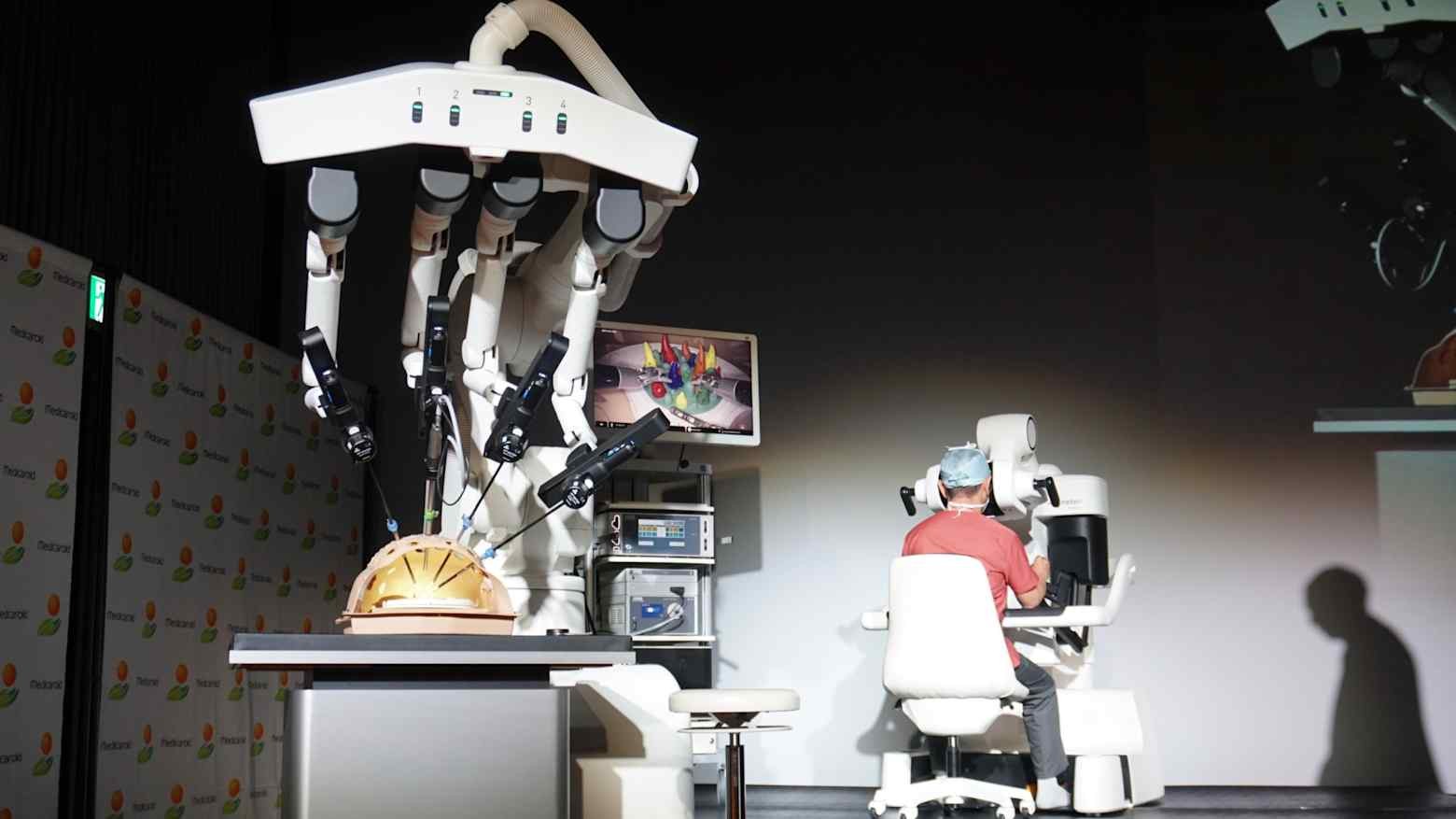
Photo Source: Annu Nishioka/Nikkei
Kawasaki Heavy Industries is entering the European medical robot market, opening its first overseas R&D center in France next month. The focus is on hinotori, Japan’s first surgical robot, aiming to compete with the U.S. da Vinci by expanding its surgical use and offering a lower-cost option. The company will also integrate hospital support robots and AI services. Kawasaki targets 100 billion yen in medical robot sales by 2030, as Europe’s market is expected to grow to $305 billion by 2033.
Published: March 2026


EU-Japan Centre for Industrial Cooperation
Joint venture established in 1987 by the European Commission (DG GROW) and the Japanese Government (METI) for promoting all forms of industrial, trade and investment cooperation between the EU and Japan.


Copyright © 2026 EU-Japan Centre