
JAPANESE ECONOMIC AND BUSINESS WEEKLY NEWSLETTER: 08 - 14 November, 2025

The EU Japan Centre is releasing a weekly press review covering Japan's economic and business matters.
Weekly Japanese Economic and Business News (08 – 14 November, 2025)
Outline
1. Economic News
▶ Japan turns to StartX, US tech firms to import startup expertise
9 Nov, 2025
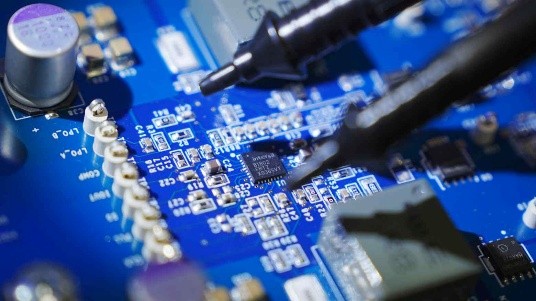 Photo Source: Masayuki Kozono/Nikkei
The Japanese government will launch a new initiative in early 2026 to support entrepreneurs commercializing advanced domestic research, working with 14 domestic and international partners such as StartX, SRI International, and the Chan Zuckerberg Initiative. The Japan Science and Technology Agency will provide up to 27 billion yen ($176 million) over three years.
The program aims to build a startup ecosystem like those in Silicon Valley and New York, addressing Japan’s shortage of management talent and global business expertise. It will focus on commercializing research, developing entrepreneurial researchers, and creating international collaboration frameworks. Despite recent growth in startups, Japan still lags behind other countries, with only eight unicorns compared to hundreds in the U.S. and China.
Nikkei Asia: https://asia.nikkei.com/business/startups/japan-turns-to-startx-us-tech-firms-to-import-startup-expertise
▶ Japan automakers suffer $9.7bn impact from tariffs in 1st half
11 Nov, 2025
Source: Earning Announcements by each automaker
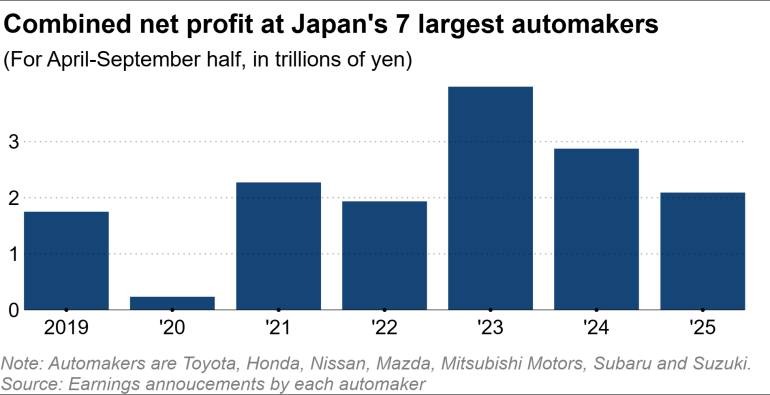
Japan’s seven major automakers saw combined earnings drop by ¥1.5 trillion ($9.7 billion) in April–September due to steep U.S. tariffs and a stronger yen — the first broad profit decline since the pandemic. Net profit fell 30% to ¥2.1 trillion, with Nissan, Mazda, and Mitsubishi posting losses.Mazda and Subaru, heavily exposed to the U.S. market, were hit hardest, while Toyota limited its profit drop to 7% thanks to strong hybrid sales and cost cuts. The tariffs could cost the industry ¥2.5 trillion for the full fiscal year. Chip supply issues, particularly from Nexperia, are now adding pressure, forcing Honda to cut production and lower its forecast.
▶ Govt Likely to Add Drones, Ship Hull Parts, 3 Other Items to ‘Specified Critical Products’ List
11 Noc, 2025
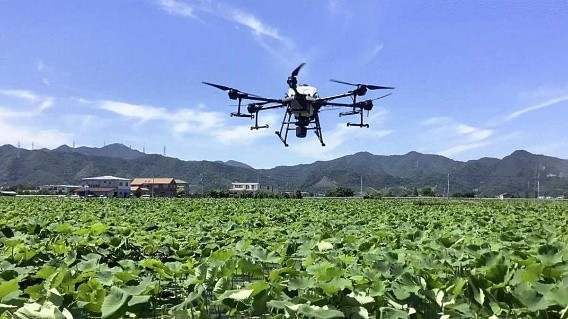 Photo Source: Yomiuri
The Japanese government is considering adding drones, ship hull components, satellites and rocket parts, magnetic sensors, and ventilators to its list of “specified critical products,” whose stable supply is deemed vital for society and the economy. The move aims to support private companies financially, strengthen supply chains, and secure domestic production through capital investment and R&D. The government plans to formalize the new designations via ordinance revision by year-end and include related costs in a supplementary budget. The initiative targets sectors with strategic or growing domestic demand, including shipbuilding, drones for agriculture and construction, ventilators, and satellite/rocket components, many of which currently rely heavily on imports.
Yomiuri: https://japannews.yomiuri.co.jp/politics/defense-security/20251111-292050/
▶ Japan looks to allow public financing of nuclear power projects
11 Nov, 2025
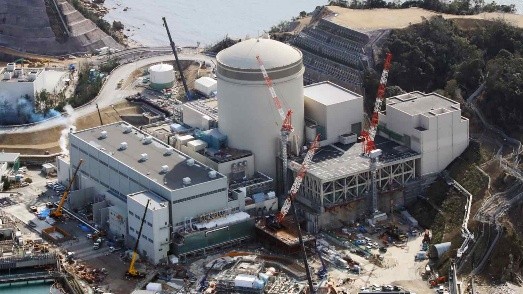 Photo Source: Maho Obata/Nikkei
Japan’s Ministry of Economy, Trade and Industry (METI) plans to revise laws to allow public institutions to invest in nuclear power and electrical grid projects, aiming to support low-emission energy generation. The move would let power companies combine public and private funding for large-scale, carbon-free energy investments. METI intends to use government credit to ease financing and will pre-screen projects to ensure effectiveness. The proposal, expected to be submitted soon, could lead to amending the Electricity Business Act next year. The goal is to facilitate long-term funding for costly nuclear projects, such as Kansai Electric’s next-generation reactor study. With Japan targeting net-zero emissions by 2050 and decarbonization investments estimated at ¥180 trillion, the government seeks to expand nuclear and renewable energy to 60–70% of the power mix by 2040. Rising financing costs and market-based electricity rates have made private fundraising harder, prompting METI to boost support through public funding.
Nikkei Asia: https://asia.nikkei.com/business/energy/japan-looks-to-allow-public-financing-of-nuclear-power-projects
▶ Deep-Sea-Inspired Chemistry Realizes “Pressure-Based Manufacturing”
11 Nov, 2025
Researchers from JAMSTEC, Kyoto Institute of Technology, and Kyoto University have developed a new functional material that enables low-temperature, pressure-based molding of common plastics, including biodegradable poly(L-lactide) (PLLA), reducing its molding temperature from 160 °C to 60 °C. By adding a baroplastic, the team introduced “baroplasticization,” allowing plastics to flow under pressure without heat, improving energy efficiency, recyclability, and reducing thermal degradation. This approach supports sustainable materials manufacturing and contributes to plastic recycling and environmental protection. The work, inspired by extreme deep-sea conditions, opens new pathways for low-carbon, recyclable plastics and is part of JST CREST’s research on precise material science.
JAMSTESC: https://www.jamstec.go.jp/e/about/press_release/20251111/
▶ Japan, Thailand to Report Climate Credit Sharing to U.N. after Japanese Tech Helps to Cut Thailand’s Emissions
12 Nov, 2025
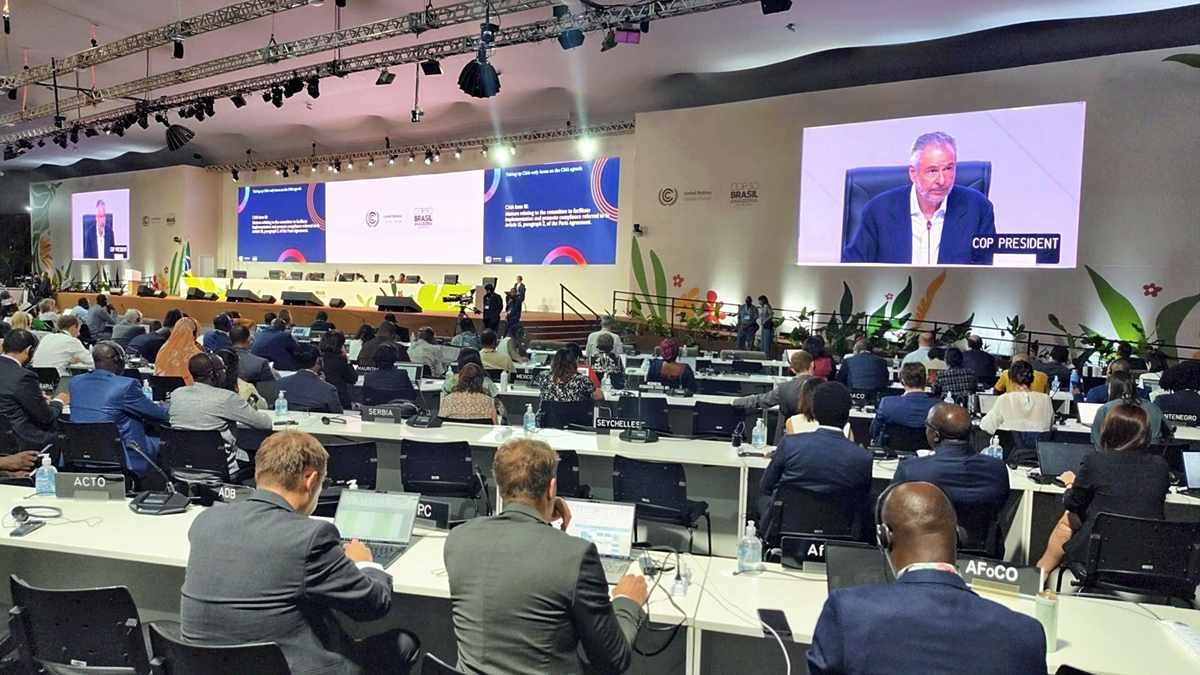 Photo Source: Hiroto Nishihara/Yomiuri
Japan and Thailand have agreed that Japan will receive credits for some greenhouse gas reductions achieved in Thailand using Japanese decarbonization technology, Environment Minister Hirotaka Ishihara announced. Under Japan’s Joint Crediting Mechanism (JCM), a Tokyo-based company installed floating solar panels in Thailand, reducing reliance on thermal power. This is the first time Japan’s JCM credits will be reported to the United Nations. The announcement coincides with COP30 in Belem, Brazil, where global talks on standardizing metrics to track climate mitigation progress are underway, running through Nov. 21.
Yomiuri: https://japannews.yomiuri.co.jp/world/global/20251112-292230/
---------------------------------------------------------------------------------------------------------------------------------------------------------------------------
2. Business News
▶ Japan top 3 banks to test yen stablecoins in push against dollar rivals
8 Nov, 2025
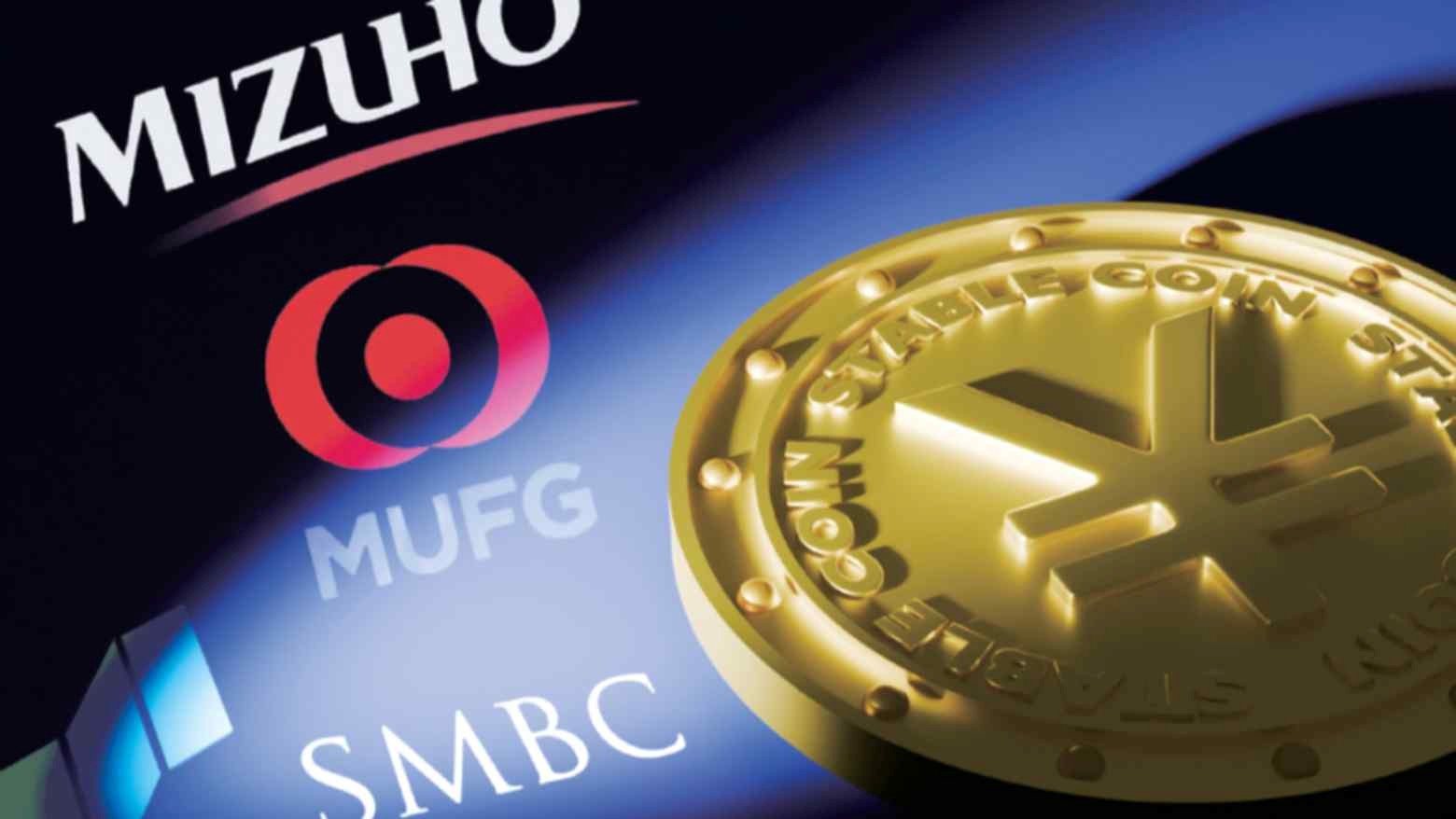 Illustration by Nikkei
Japan’s three megabanks — MUFG, SMBC, and Mizuho — will start a pilot program to jointly issue yen-backed stablecoins this month. The initiative, managed on the Progmat blockchain platform and with Mitsubishi UFJ Trust and Banking handling the deposits as trust assets, aims to create a standardized digital payment network for corporate use.
Mitsubishi Corp. will test the coins for cross-border payments to reduce fees and administrative costs. Each bank’s stablecoin will be mutually exchangeable, potentially accelerating adoption among Japan’s 300,000+ corporate clients.
The move comes as dollar-based stablecoins dominate globally, and Japan seeks to prevent a shift away from the yen. The Financial Services Agency is supporting the project, though regulatory and technical challenges remain, such as anti–money laundering measures and limits on transaction sizes.
▶ Toyota delays building battery plant again on slow EV demand
8 Nov, 2025
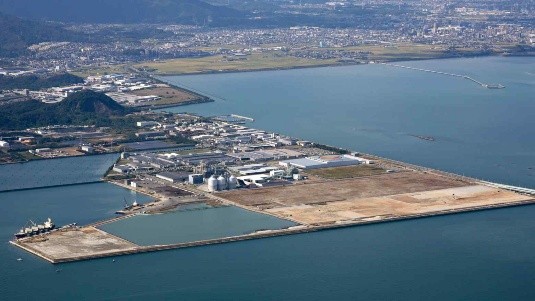 Photo Source: Toshiki Sasazu/Nikkei
Toyota Motor has postponed its planned EV battery plant in Fukuoka Prefecture for the second time, delaying production beyond 2028 as global electric vehicle demand slows. The project is not canceled, but Toyota will reevaluate and possibly adjust the plant’s output to include vehicles or components. The decision follows earlier delays and mirrors moves by other automakers — Nissan and Honda — which have also scaled back or postponed EV battery projects amid weakening demand, falling battery prices, and reduced U.S. tax incentives. Toyota plans to maintain the land purchase commitment and continues to focus on region-specific EV strategies, especially in China, where competition is intensifying.
▶ MHI Signs EPC Contract for Large-Scale Ammonia and Urea Fertilizer Production Complex for the State Concern Turkmenhimiya
10 Nov, 2025
Mitsubishi Heavy Industries (MHI) has signed an EPC contract with Turkmenistan’s state-owned SC Turkmenhimiya, in partnership with Turkey’s GAP, to build the country’s largest ammonia and urea fertilizer plant in Kiyanly, near the Caspian Sea. Scheduled to begin operations in 2030, the plant will produce 2,000 tons of ammonia and 3,500 tons of urea daily. It will also feature MHI’s Advanced KM CDR Process™ CO₂ capture technology, reducing environmental impact. Building on its successful 2018 Garabogaz project, MHI aims to support Turkmenistan’s economic growth and sustainability while expanding its global fertilizer plant business.
MHI: https://www.mhi.com/news/251110.html
▶ Hitachi and Tobu Railway launched a co-creation initiative to deliver HMAX on Japanese railways
11 Nov, 2025

Image Source: Hitachi
Hitachi and Tobu Railway have formed a strategic partnership to implement Hitachi’s HMAX, a next-generation digital asset management platform, on Tobu’s trains. The collaboration focuses on digitalizing rolling stock maintenance, including automating inspections, optimizing manual operations, and enhancing on-site maintenance through digital tools. The initiative aims to improve efficiency, sustainability, and employee skills, addressing future labor shortages. HMAX leverages AI and machine learning, including NVIDIA’s IGX Thor platform, to optimize railway systems and infrastructure.
Hitachi: https://www.hitachi.com/New/cnews/month/2025/11/251111a.pdf
▶ Execution of a Memorandum of Understanding Concerning the Integration of Businesses for the Purchase of Copper Concentrates and the Sales of Related Products
11 Nov, 2025
Marubeni, JX Advanced Metals, Mitsui Kinzoku, and Mitsubishi Materials (MMC) have signed an MOU to explore integrating MMC’s copper-related businesses into Pan Pacific Copper (PPC), a joint venture of Marubeni, JX, and Mitsui Kinzoku. The move aims to improve profitability and international competitiveness amid challenging copper market conditions by consolidating procurement, optimizing sales, and reducing costs. PPC will take over MMC’s target business and transfer it to a new company, with MMC acting as a subcontractor. The final agreement is targeted by March 2026, pending necessary approvals.
Marubeni: https://www.marubeni.com/en/news/2025/release/00040.html
▶ Subaru retools $9.7bn electrification plan as EV demand slows
11 Nov, 2025
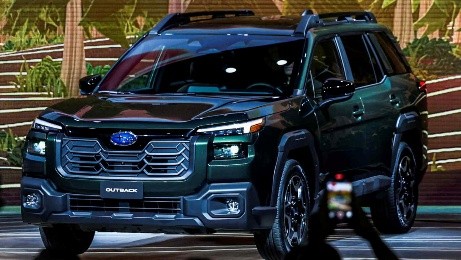
Photo Source: Reuters
Subaru is shifting its ¥1.5 trillion ($9.7 billion) electrification plan from EVs to hybrids amid weaker global EV demand and the end of U.S. tax incentives. President Atsushi Osaki said it is “appropriate to delay” large-scale EV investment as hybrids gain popularity. The company will still launch four Toyota-partnered EV SUVs by 2026 but may postpone four in-house EVs planned for 2028. More funds will go to hybrids and gasoline vehicles. April–September revenue rose 5% to ¥2.38 trillion, while net profit fell 45% to ¥90.4 billion, hit by U.S. tariffs. Subaru kept its full-year profit forecast and plans ¥200 billion in cost cuts by 2030 to offset tariff impacts.
▶ Kobe Steel’s low-CO₂ blast furnace steel product Kobenable® Steel adopted for Toyota mass-produced vehicles
11 Nov, 2025
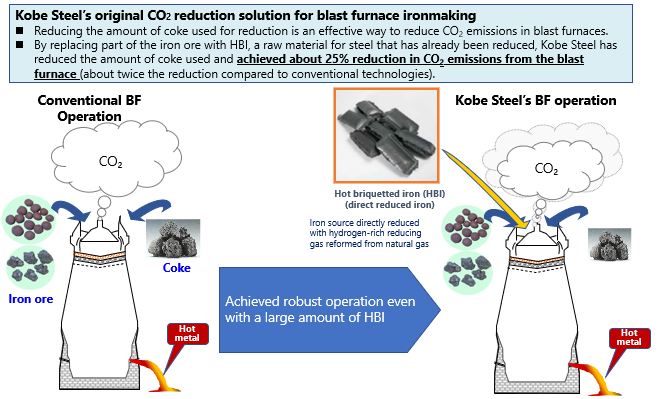
Image Source: Kobe Steel
Kobe Steel’s low-CO2 blast furnace steel, Kobenable® Steel, has been adopted by Toyota for use in mass-produced vehicles. Kobenable® Premier eliminates 100% of CO2 emissions in steel production using the mass balance method, while maintaining high quality for applications like steel sheets, plates, and high-strength wire rods. After successful use in Toyota’s hydrogen and carbon-neutral fuel vehicles, the steel will now be applied to mass-produced vehicle parts. This adoption supports Kobe Steel’s Green Transformation (GX) and carbon neutrality goals, contributing to decarbonization in the automotive industry.
Kobe Steel: https://www.kobelco.co.jp/english/releases/2025/1218582_18643.html
▶ JOGMEC Signed Joint Study Agreement with PETROS for Onshore Oil and Gas Exploration in Sarawak, Malaysia
11 Nov, 2025
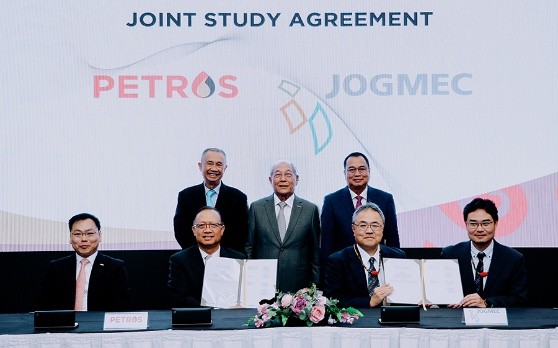 Photo Source: JOGMEC
On November 7, 2025, JOGMEC signed a Joint Study Agreement (JSA) with Malaysia’s state-owned Petroleum Sarawak Berhad (PETROS) to jointly conduct geological and geophysical surveys for onshore oil and gas exploration in Sarawak’s Mukah-Balingian region. The three-year study will involve seismic data acquisition and other assessments, aiming to identify hydrocarbon potential and encourage Japanese companies’ participation in Malaysia’s upstream oil and gas sector, supporting stable energy supply to Japan.
JOGMEC: https://www.jogmec.go.jp/english/news/release/news_08_00047.html
▶ Toyota to invest $10bn in US over next 5 years
13 Nov, 2025
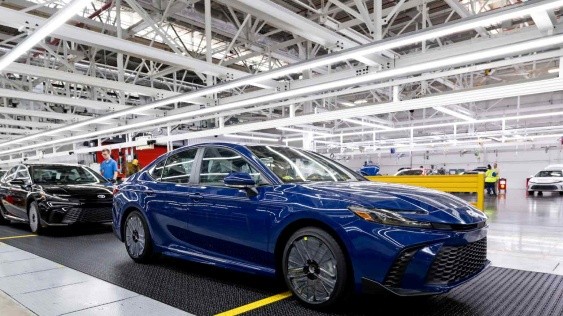 Photo Source: Toyota Motor
Toyota will invest up to $10 billion in the U.S. over the next five years to expand hybrid, EV, and key component production, its largest U.S. investment by a Japanese automaker since Trump’s second inauguration. The announcement coincides with the start of its first U.S. battery plant in Greensboro, North Carolina, a $13.9 billion facility for hybrid and future EV batteries. Despite strong sales, Toyota posted an operating loss in April–September due to tariffs, and the new investment is expected to support earnings growth.
Nikkei Asia: https://asia.nikkei.com/business/automobiles/toyota-to-invest-10bn-in-us-over-next-5-years
▶ US-based Taiyo Pacific offers $450m takeover bid for Japan lathe maker
13 Nov, 2025
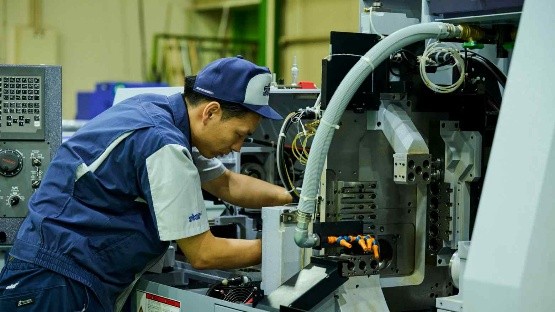 Photo Source: Nikkei
U.S. investment fund Taiyo Pacific Partners plans to acquire full ownership of Japanese automatic lathe maker Star Micronics through a ¥70 billion ($452 million) tender offer via its SPV, Solsticia, running until Dec. 25. The offer price of ¥2,210 per share represents a 30% premium, and Star Micronics supports the deal. Taiyo already holds about 36% of voting rights after a previous investment. If completed, Star Micronics is expected to delist from the Tokyo Stock Exchange and use the funds to strengthen domestic factories and pursue medical-sector acquisitions. The company’s 2024 sales fell 17% to ¥64.9 billion, with net profit down 77% to ¥1.8 billion.
Nikkei Asia: https://asia.nikkei.com/business/business-deals/us-based-taiyo-pacific-offers-450m-takeover-bid-for-japan-lathe-maker
▶ Kawasaki Heavy targets Southeast Asia with 'direct air' carbon capture
13 Nov, 2025
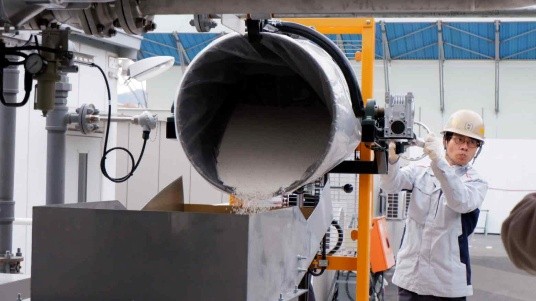 Photo Source: Shoko Kugai/Nikkei
Kawasaki Heavy Industries is advancing direct air capture (DAC) technology to remove CO₂, targeting fossil-fuel-reliant Southeast Asian countries. Its pilot system in Kobe, Japan—the largest in the country—will begin tests in November, capturing 200–400 tons of CO₂ annually, with full-scale pilot by February 2026. Using a low-temperature, modular DAC system, Kawasaki aims for commercialization around 2030 and plans to expand in Asia, including a recent MoU with Malaysia’s Petronas, amid rising decarbonization pressures and EU carbon border taxes.
Published: November 2025


EU-Japan Centre for Industrial Cooperation
Joint venture established in 1987 by the European Commission (DG GROW) and the Japanese Government (METI) for promoting all forms of industrial, trade and investment cooperation between the EU and Japan.


Copyright © 2026 EU-Japan Centre