このたび、日本企業の欧州での投資・事業展開に役立つ情報を日本語と英語で月1回お届けするニュースレターを創刊し、第1号(2026年9月号)を公開しました。
近年、日EU関係が幅広く発展し、…

EU–Japan Investment Policy Workshop Held in Brussels
October 07 2026
Date: Wednesday, 7 October 2026 | Venue: European Commission, Breydel Building, Brussels, Belgium
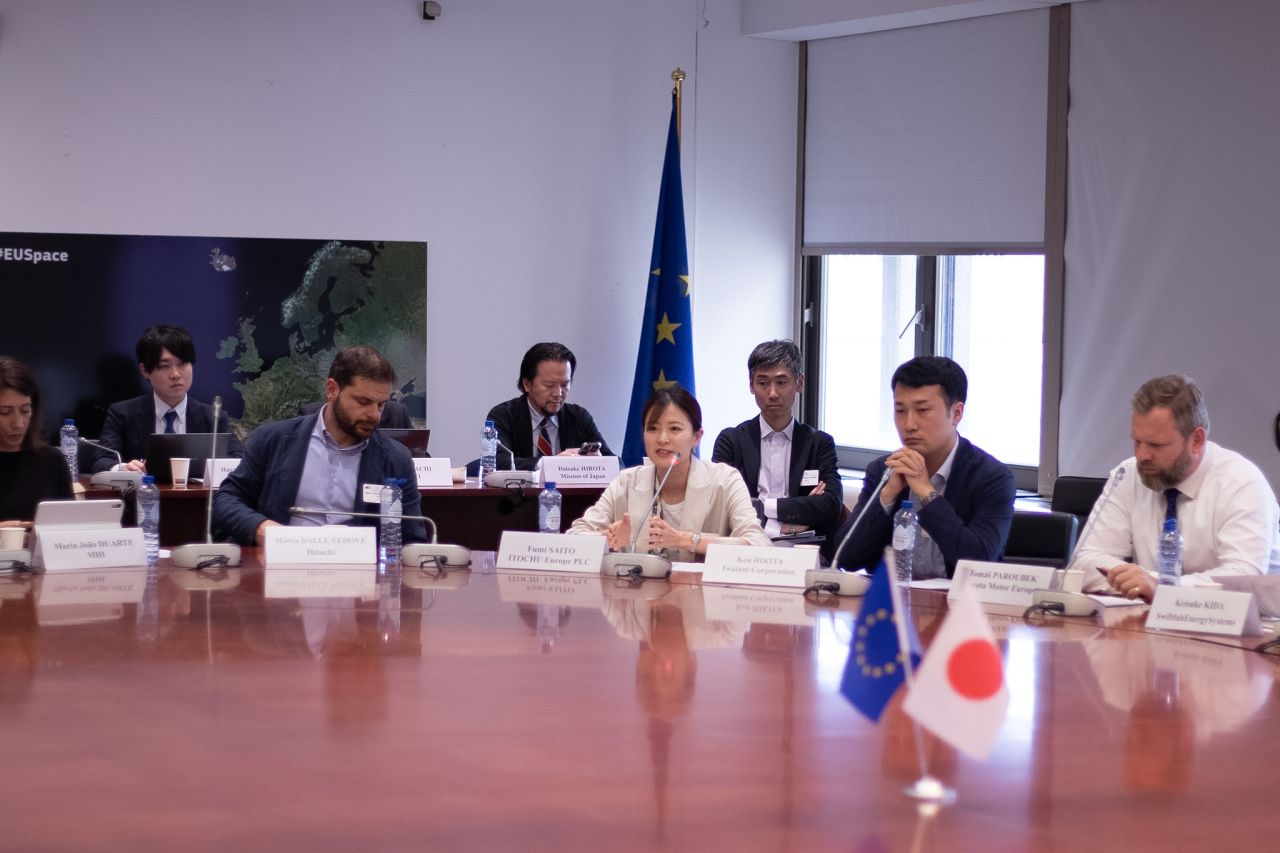
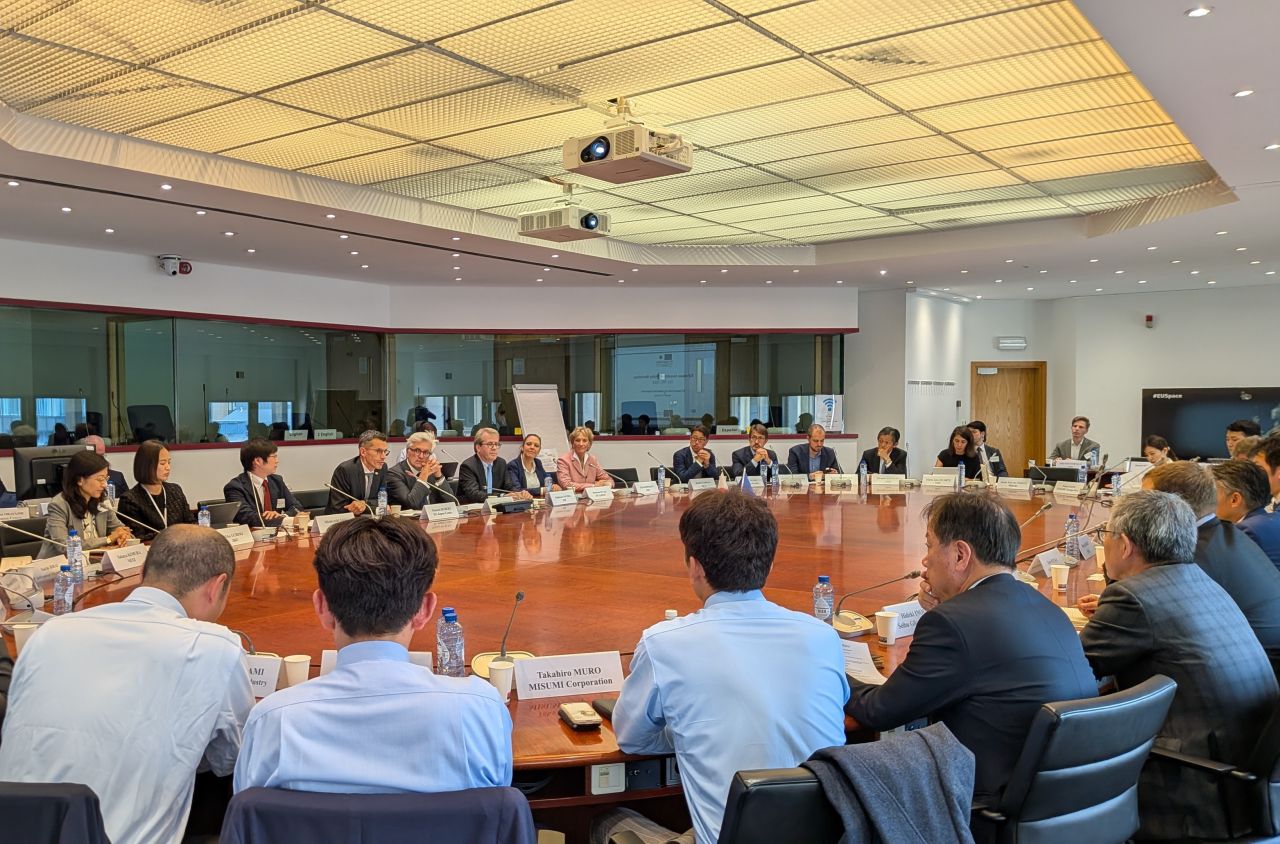
On 7 October 2026, the EU-Japan Centre for Industrial Cooperation organised the EU–Japan Investment Policy Workshop in Brussels as part of its Invest in EU Hub activities, in cooperation with the European Commission's Directorate-General for Internal Market, Industry, Entrepreneurship and SMEs (DG GROW).
The workshop brought together representatives from 20 Japanese companies, alongside EU and Japanese policymakers, public institutions, financial institutions, industry associations, investment promotion agencies and business support organisations. It provided an opportunity for stakeholders from the public and private sectors to exchange views directly on investment opportunities in the EU, factors influencing investment decisions, and practical challenges facing Japanese companies investing and operating in Europe.
The EU and Japan are key strategic and economic partners, sharing a commitment to maintaining and strengthening a free, open and rules-based international order. Under the EU–Japan Competitiveness Alliance, launched in July 2025, both partners are advancing cooperation to strengthen industrial competitiveness, economic security and supply chain resilience. Building on this cooperation, the workshop aimed to translate the priorities identified through the EU–Japan High-Level Economic Dialogue, the EU–Japan Industrial Policy Dialogue and the EU–Japan Business Round Table (BRT) into concrete investment opportunities and business activities.
Opening Remarks
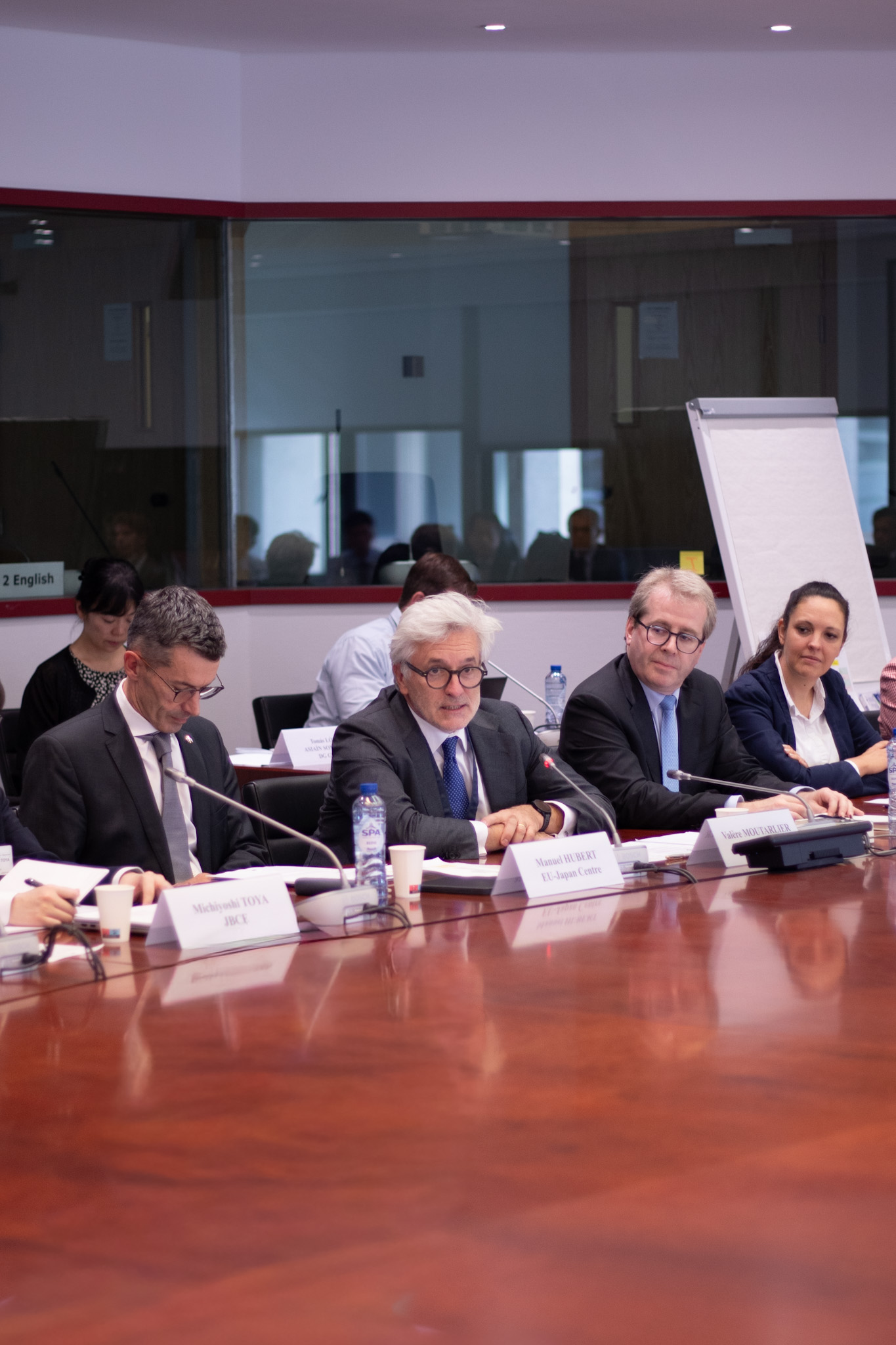
The workshop opened with remarks by Valère Moutarlier, Deputy Director-General of DG GROW, European Commission, and Michiyoshi Toya, Secretary General of the Japan Business Council in Europe (JBCE).
Mr Moutarlier emphasised that investment from international partners, including Japan, is essential to strengthening the EU's industrial competitiveness and economic resilience. He underlined that EU industrial policy is not intended to close European markets, but rather to maintain an open investment environment while further strengthening industrial cooperation and investment ties with Japan. Mr Toya highlighted the longstanding contribution of Japanese companies to the European economy. He stressed the importance of a stable and predictable business environment, together with continued dialogue between policymakers and industry, to encourage further investment.
▶ Read the full opening remarks by Deputy Director-General Moutarlier here.
Plenary Session: EU Investment Policies and Support Frameworks
The opening remarks were followed by a plenary session entitled “Policy Outlook & Investment Frameworks”, moderated by Manuel Hubert, EU-side Managing Director of the EU-Japan Centre for Industrial Cooperation. The session introduced key EU policy frameworks, financial support instruments and regional initiatives aimed at facilitating investment and industrial development in Europe.
On the European side, the European Investment Bank (EIB) presented its role in providing financial support for investment projects, while the European Commission's DG GROW outlined InvestEU, one of the EU's principal investment support programmes. Zukunftsagentur Rheinisches Revier, a regional development agency in Germany, introduced its initiatives related to Net-Zero Acceleration Valleys (NZAVs), which aim to foster industrial clusters in net-zero technologies. The agency supports the structural transformation of the Rhenish mining region in western Germany, facilitating the transition away from lignite mining through the development of new industries and the promotion of business location and investment. The region was designated as a Net-Zero Acceleration Valley under the EU Net-Zero Industry Act in September 2026 and is working to develop industrial clusters focused on decarbonisation technologies.
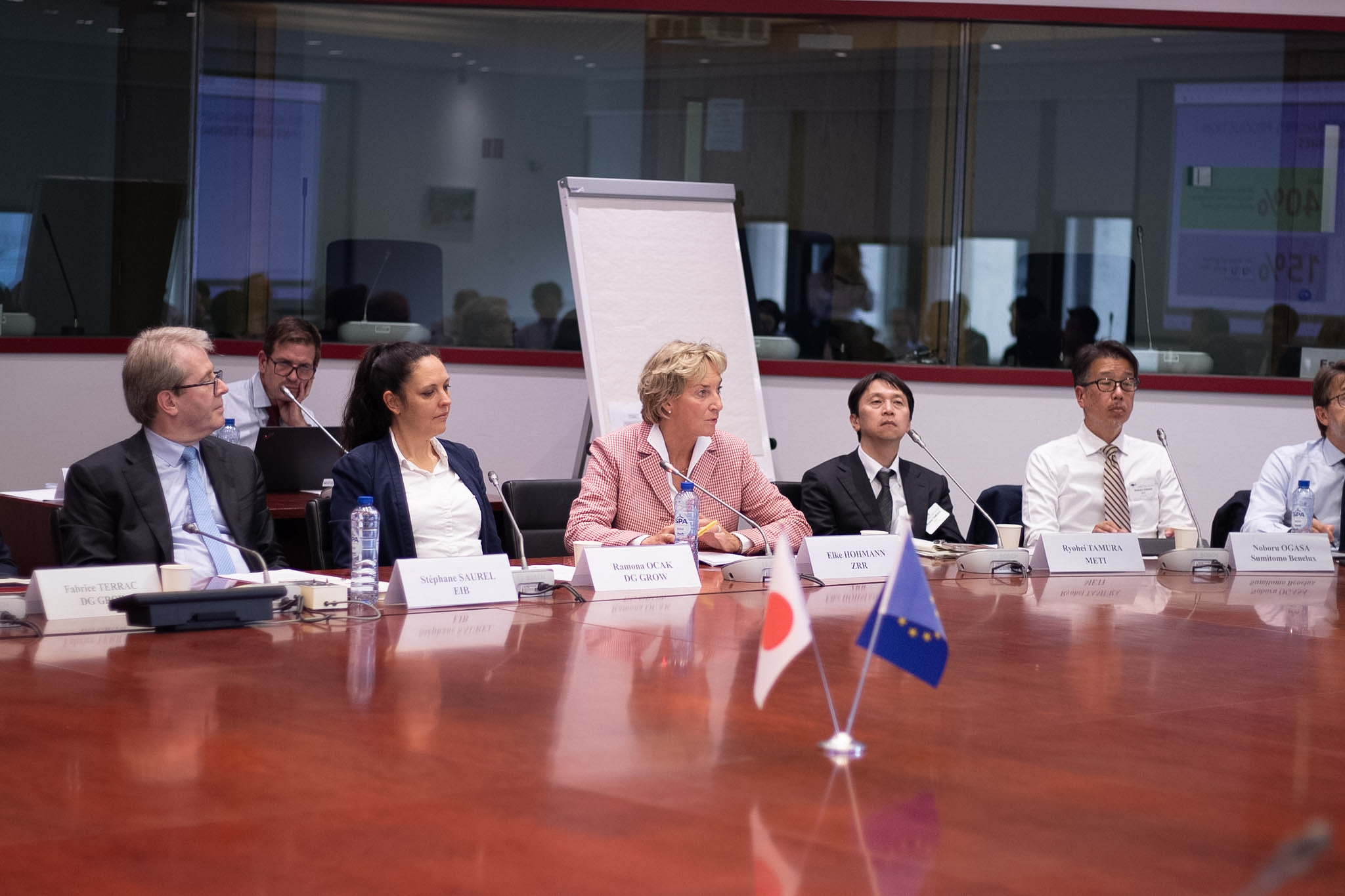
On the Japanese side, representatives from the Japan Bank for International Cooperation (JBIC), Nippon Export and Investment Insurance (NEXI) and the Japan External Trade Organization (JETRO) presented their respective roles, support schemes and practical perspectives on facilitating investment and business activities by Japanese companies in Europe.
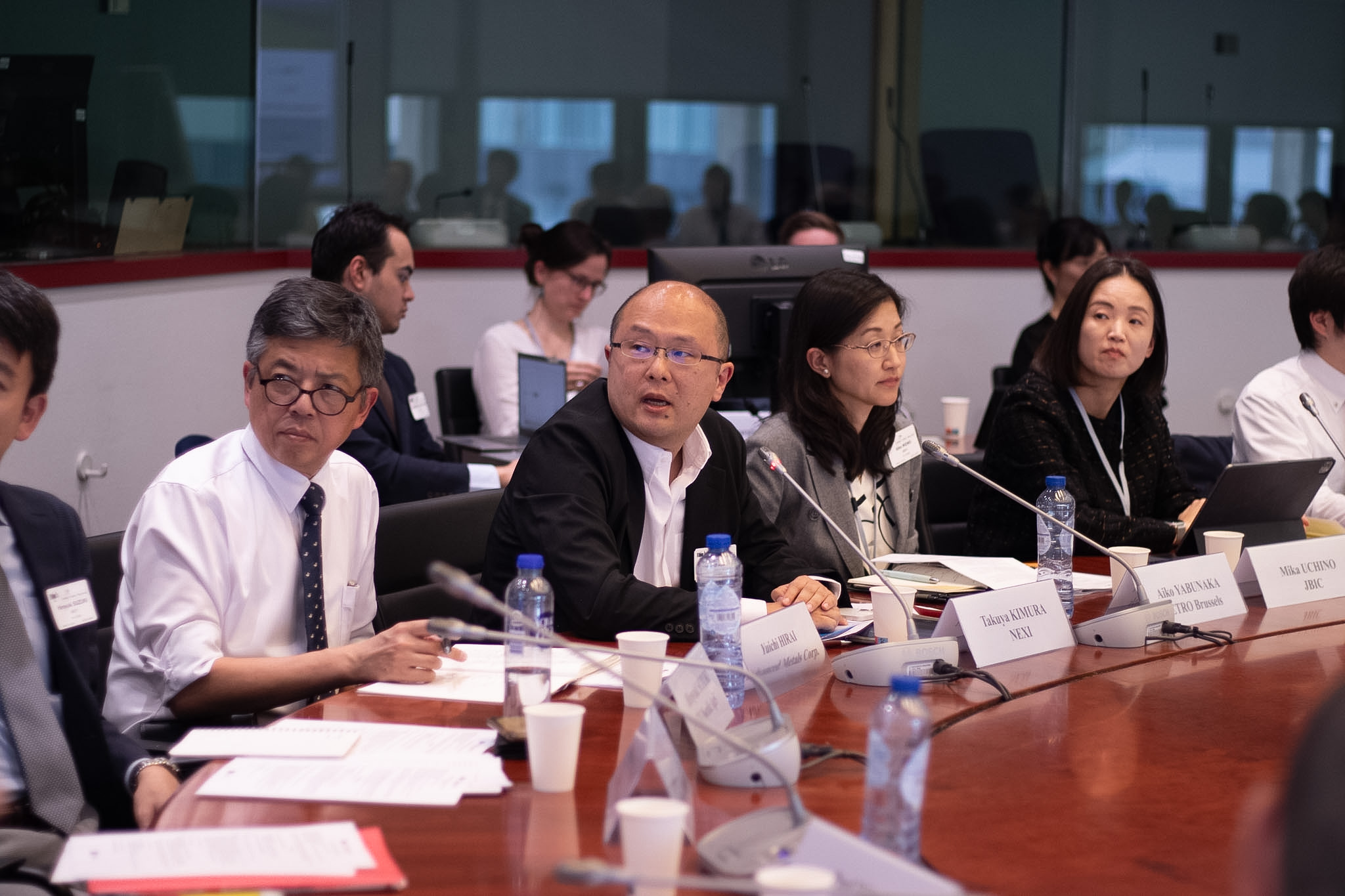
Together, these presentations provided an overview of the investment support measures available on both the EU and Japanese sides, while offering an opportunity to consider how these instruments could help translate investment opportunities into concrete projects.
Breakout Sessions: Bringing Business Experience into Policy Dialogue

Following the plenary session, participants divided into three sector-specific breakout sessions: Batteries, Clean Tech, and Robotics & AI.
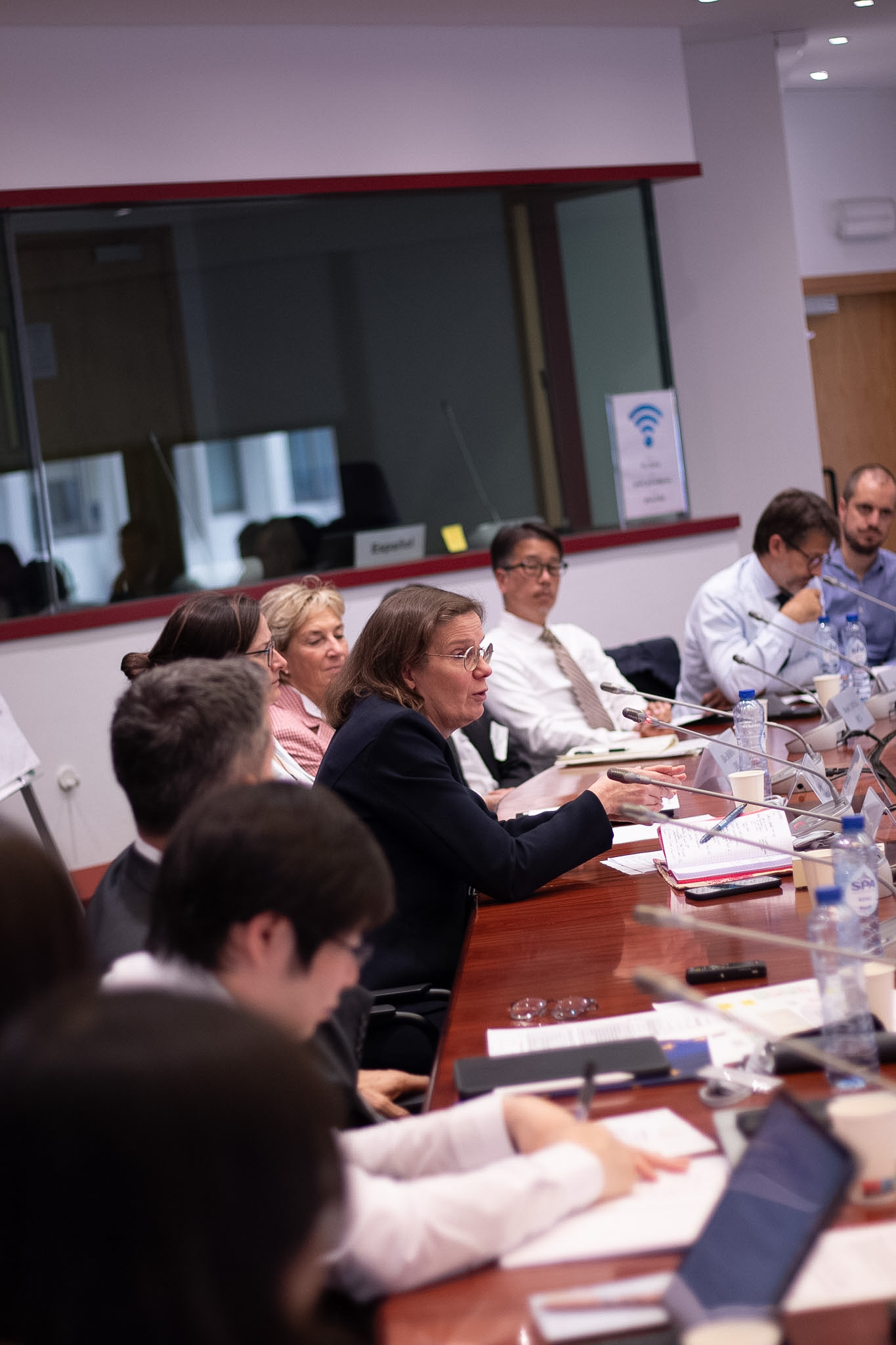
Each session brought together representatives from Japanese companies and investors, European Commission policymakers, financial institutions, investment promotion agencies and business support organisations to discuss sector-specific investment opportunities and challenges.
The discussions focused on three main topics:
- Factors influencing investment decisions: Key considerations for Japanese companies evaluating investment opportunities in the EU, including investment incentives, access to finance and market access.
- Practical challenges in establishing and expanding operations: Barriers and operational challenges encountered when establishing new facilities, expanding business activities or managing existing operations in the EU.
- Policy measures and support for investment promotion: EU policy instruments, support schemes and opportunities for EU–Japan cooperation that could help facilitate the development and implementation of investment projects.
Closing Session and Concluding Remarks
Following the breakout sessions, participants reconvened for a closing plenary session, during which the rapporteurs from each breakout group presented the main points and insights emerging from their discussions.
The workshop concluded with remarks by Outi Slotboom, Director for Supply Chains and Business Analysis, DG GROW, European Commission. Ms Slotboom reaffirmed Europe's continued importance as an investment destination for Japanese companies, highlighting the EU's large single market, strong research and innovation base, and growth opportunities arising from the green and digital transitions. At the same time, she acknowledged the importance of addressing practical challenges faced by investors, including regulatory predictability and the simplification of permitting procedures, to create a more favourable investment environment. She reiterated that the EU continues to welcome investment from trusted partners, including Japan, and emphasised the importance of building on the insights gained from the workshop to further improve investment conditions and strengthen EU–Japan industrial cooperation.
Participating Organisations and Networking
In addition to Japanese companies, the workshop brought together representatives from a wide range of institutions and organisations, including the European Commission, the European Investment Bank (EIB), Japan's Ministry of Economy, Trade and Industry (METI), the Mission of Japan to the European Union, the Japan Bank for International Cooperation (JBIC), the Japan External Trade Organization (JETRO), Nippon Export and Investment Insurance (NEXI), the Japan Business Council in Europe (JBCE), the Battery Association for Supply Chain (BASC) and Zukunftsagentur Rheinisches Revier.
The workshop was followed by a networking reception, which was also attended by representatives from EU Member States' permanent representations and investment promotion agencies. The reception provided an opportunity for Japanese companies to establish and strengthen connections with European policymakers and investment support organisations.
The EU-Japan Centre for Industrial Cooperation would like to express its sincere appreciation to all participants, speakers, moderators and rapporteurs, as well as to the European Commission's DG GROW for its valuable cooperation in organising the workshop.
Workshop Materials
The workshop agenda is available here.
The presentation materials made available for public dissemination by the speakers are provided below.
| Topic / Organisation | Speaker | Presentation |
|---|---|---|
| European Investment Bank (EIB) | Stéphane Saurel, Deputy Permanent Representative of the EIB Group to the EU | |
| InvestEU / European Commission, DG GROW | Ramona Ocak, Policy Officer, InvestEU Governance and Advisory Unit | |
| Net-Zero Acceleration Valleys (NZAVs) / Zukunftsagentur Rheinisches Revier | Elke Hohmann, Head of Project Development | |
| Nippon Export and Investment Insurance (NEXI) | Takuya Kimura, General Manager, Paris Office | |
| Japan External Trade Organization (JETRO) | Aiko Yabunaka, Deputy Director-General, Brussels Office |
Looking Ahead
Through its Invest in EU Hub, the EU-Japan Centre for Industrial Cooperation provides Japanese companies with information and support to facilitate investment and business expansion in the EU. The Hub offers updates on EU investment and industrial policies, available support schemes, concrete investment cases involving Japanese companies, and relevant events and opportunities. In cooperation with public institutions, investment promotion agencies and other stakeholders, it also facilitates access to information and networking opportunities to help Japanese companies translate investment opportunities into concrete projects.
Following the first EU Investment Forum, held in Tokyo in March 2026, the Centre plans to organise the second EU Investment Forum in Tokyo in early 2027. The upcoming Forum will provide further opportunities for Japanese companies interested in investing in the EU to engage directly with investment promotion agencies and other stakeholders from EU Member States.
We particularly encourage representatives from corporate headquarters in Japan, as well as companies considering new investments or business expansion in the EU, to consider participating.
Further information on the Forum, including the programme and registration details, will be announced on the Invest in EU Hub website.
Find out more about the Invest in EU Hub and its latest activities.
Contact: InvestInEUHub@eu-japan.or.jp
Brussels, Belgium


EU-Japan Centre for Industrial Cooperation
Joint venture established in 1987 by the European Commission (DG GROW) and the Japanese Government (METI) for promoting all forms of industrial, trade and investment cooperation between the EU and Japan.


Copyright © 2026 EU-Japan Centre