

JAPANESE ECONOMIC AND BUSINESS WEEKLY NEWSLETTER: 18 - 24 October, 2025

The EU Japan Centre is releasing a weekly press review covering Japan's economic and business matters.
Weekly Japanese Economic and Business News (18 – 24 October, 2025)
Outline
1. Economic News
▶ Japan actively promoted 'expo diplomacy' amid unstable global geopolitics
18 Oct, 2025
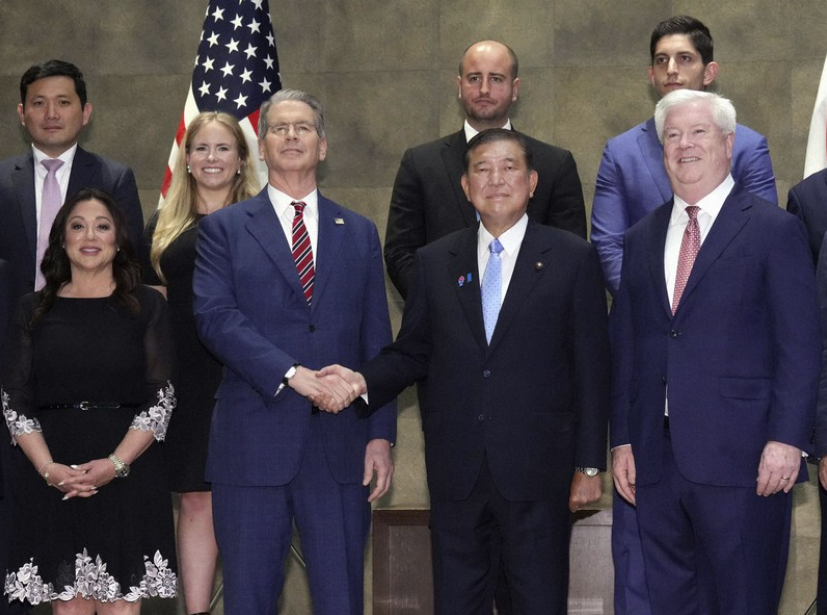 Photo Source: Kyodo
During the Osaka World Expo, outgoing Japanese Prime Minister Shigeru Ishiba actively engaged in "expo diplomacy," holding around 50 meetings with foreign leaders to strengthen ties with developing nations and the Global South. This exceeded past efforts and was seen as a diplomatic success. Foreign Minister Takeshi Iwaya also held 40 related meetings. The expo attracted about 90 foreign leaders and provided rare opportunities for high-level dialogue. Key outcomes included China's decision to resume Japanese beef imports and progress on a Japan–U.S. tariff agreement.
Mainichi:https://mainichi.jp/english/articles/20251018/p2g/00m/0na/033000c
▶ Japan AI developers see path to success in localized training data
22 Oct, 2025
 Photo Source: Softbank
Japanese companies like SoftBank and NTT are developing Japanese-specific large language models (LLMs) to compete in a global AI market dominated by the U.S. and China. SoftBank is building one of Japan's largest AI datasets using 30,000 participants and 9,000 hours of mock conversations. It plans to offer a compact LLM, Sarashina mini, by fall 2025. NTT released Tsuzumi 2, a lightweight LLM with strong Japanese-language performance, suitable for secure environments like finance and healthcare. Both companies aim to focus on smaller, specialized LLMs tailored to Japanese needs, emphasizing data security, cultural adaptation, and ease of use. While Japan has lagged in general-purpose LLMs, these efforts reflect a strategic shift toward niche applications and domestic economic security. However, limited global demand poses a challenge for Japan’s AI sector.
▶ AI-optimized cybercrime increasingly targeting Japan
22 Oct, 2025
AI-driven cybercrime is rapidly increasing in Japan, with attacks becoming more sophisticated and widespread. According to CrowdStrike’s 2025 Asia-Pacific cybercrime report, Japan, India, and Australia are among the top targets for AI-accelerated ransomware. Many attacks originate in China, using underground markets to distribute stolen data and tools. Tactics include phishing, spearphishing, and AI-automated scams targeting Japanese businesses, such as Rakuten Securities, SBI Securities, and Asahi Group. Losses from hacked brokerage accounts exceeded ¥609.3 billion (€3.4 billion) in early 2025. While Japan has stepped up its cyberdefense efforts, human error, like weak passwords and falling for scams, remains the top vulnerability. AI now allows hackers to automate spearphishing, massively increasing threat levels.
Japan times: https://www.japantimes.co.jp/news/2025/10/22/japan/crime-legal/ai-cyberattacks-japan/
▶ Japan businesses welcome Japan female PM, urge for anti-inflation measures
22 Oct, 2025
Japanese business leaders have welcomed Sanae Takaichi as Japan’s first female prime minister, expressing hope that her leadership will bring political momentum, policy reforms, and greater diversity. Backed by the LDP and Japan Innovation Party, Takaichi leads a minority government and must work with opposition parties. Business groups, including Keidanren, Keizai Doyukai, and the Japan Chamber of Commerce, expect her to show strong leadership on inflation, trade issues, and bipartisan cooperation. The Japan Foreign Trade Council also emphasized the importance of progress in U.S.-Japan tariff talks.
Mainichi: https://mainichi.jp/english/articles/20251022/p2g/00m/0bu/020000c
▶ Japan PM Takaichi vows to boost defense spending to 2 % of GDP by March
24 Oct, 2025
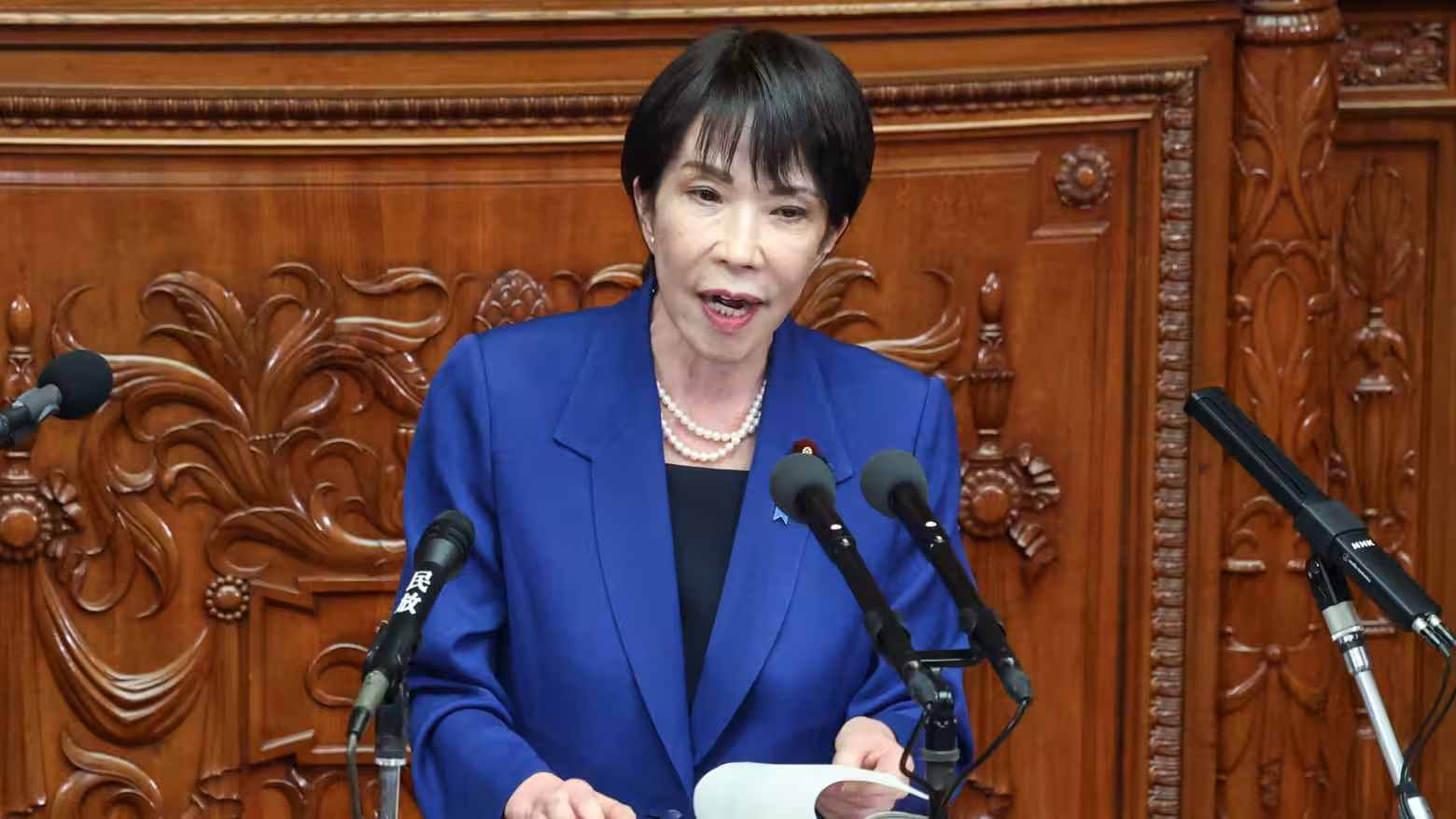 Photo Source: NikkeiAsia
Japanese Prime Minister Sanae Takaichi, in her first policy address, announced a plan to raise defense spending to 2% of GDP by March 2026, accelerating Japan’s military buildup and aligning with NATO standards under U.S. pressure. Elected earlier in the week, she also pledged to update key national security documents by 2026. Takaichi formed a new coalition with the Japan Innovation Party after the LDP lost its long-time partner, Komeito, but still lacks majorities in both houses of parliament. Her first diplomatic challenge will be hosting Donald Trump to discuss regional defense cooperation amid rising tensions with China, North Korea, and Russia. She emphasized strengthening alliances with like-minded nations and deepening multilateral security ties, including through the Quad. Economically, Takaichi reaffirmed support for Abenomics and introduced relief measures such as raising income deductions, tax exemptions for low-income households, and abolishing a temporary gasoline tax. She also promised wage increases for essential workers and potential reductions in social security burdens. Her goal is to boost incomes and tax revenues without raising tax rates, creating a “virtuous cycle”. Fiscal sustainability remains a priority, with plans to keep debt growth below economic growth. Energy innovation, including nuclear and solar technologies, will be a focus, alongside support for strategic tech sectors like AI, semiconductors, and quantum computing. Takaichi concluded by stressing the importance of science and technology for economic strength and expanding trade ties through the CPTPP.
Nikkei Asia: https://asia.nikkei.com/politics/japan-s-new-pm/japan-pm-takaichi-vows-to-boost-defense-spending-to-2-of-gdp-by-march
---------------------------------------------------------------------------------------------------------------------------------------------------------------------------
2. Business News
▶ EV Battery Race Heats Up among Japanese Automakers
19 Oct, 2925
In Japan’s EV market, batteries are becoming a key focus as automakers seek better performance through lighter, more efficient technologies. Suzuki has chosen a lithium iron phosphate (LFP) battery—popular in China—for its upcoming e Vitara electric SUV, launching in January. While LFP batteries offer high safety, long life, and low cost, they have lower energy density, limiting driving range. Suzuki prioritizes safety and reliability, citing LFP’s durability and reduced fire risk.
JIJI: https://jen.jiji.com/jc/eng?g=ind&k=2025101800418
▶ Hitachi and OpenAI form strategic partnership centered on global AI data center expansion
21 Oct, 2025
Hitachi and OpenAI announced a strategic partnership on October 2, 2025, aimed at developing next-generation AI infrastructure and expanding sustainable data centers worldwide. The collaboration will focus on reducing the environmental impact of data centers, securing essential equipment, and standardizing modular designs to speed up construction. Additionally, they will work together on improving critical data center components such as cooling systems and storage. Hitachi plans to integrate OpenAI’s large language models into its Lumada digital solutions to enhance their capabilities. Combining Hitachi’s expertise in energy and digital systems with OpenAI’s advanced AI technology, the partnership seeks to address global challenges and support the growing demand for AI in an environmentally responsible way.
Hitachi: https://www.hitachi.com/New/cnews/month/2025/10/251021c.pdf
▶ Nissan develops solar-powered electric Mini vehicle
22 Oct, 2025
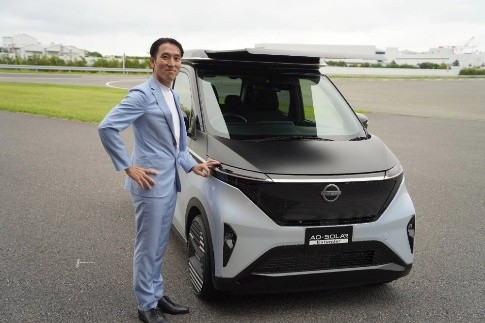 Photo Source: JIJI
Nissan will unveil a solar-powered electric minivehicle prototype at the Japan Mobility Show in Tokyo. Based on the Sakura model, the car features a roof-mounted solar panel and an additional extendable panel that boosts power generation by over 60%. If used for short trips, it could provide up to 3,000 km of annual driving without needing grid charging. Instead of costly high-efficiency panels, Nissan focuses on increasing panel area to keep costs down. The prototype will be showcased from Oct. 31 to Nov. 9 at Tokyo Big Sight in a section highlighting future mobility.
Japan times: https://www.japantimes.co.jp/business/2025/10/22/companies/nissan-solar-powered-electric-vehicle/
▶ Daimler Truck, HHLA and Kawasaki Heavy Industries Launch Strategic Partnership to Establish Liquid Hydrogen Supply Chain for Europe
22 Oct, 2025
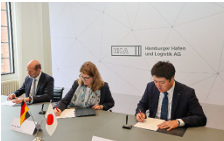 Photo Source: Kawasaki Heavy Industries
Daimler Truck, HHLA, and Kawasaki Heavy Industries have signed an agreement to explore building a liquid hydrogen supply chain through the Port of Hamburg to support Europe’s energy transition. The project aims to enable green hydrogen imports and promote decarbonization in transport and logistics. Daimler is developing hydrogen-powered trucks, HHLA is expanding its hydrogen logistics network, and Kawasaki brings expertise in hydrogen technology. Together, they aim to create a reliable, scalable infrastructure to support the growing demand for clean energy across Europe.
Kawasaki Heavy Industries: https://global.kawasaki.com/news_251022-1e.pdf
JIJI: https://jen.jiji.com/jc/eng?g=ind&k=2025102100237
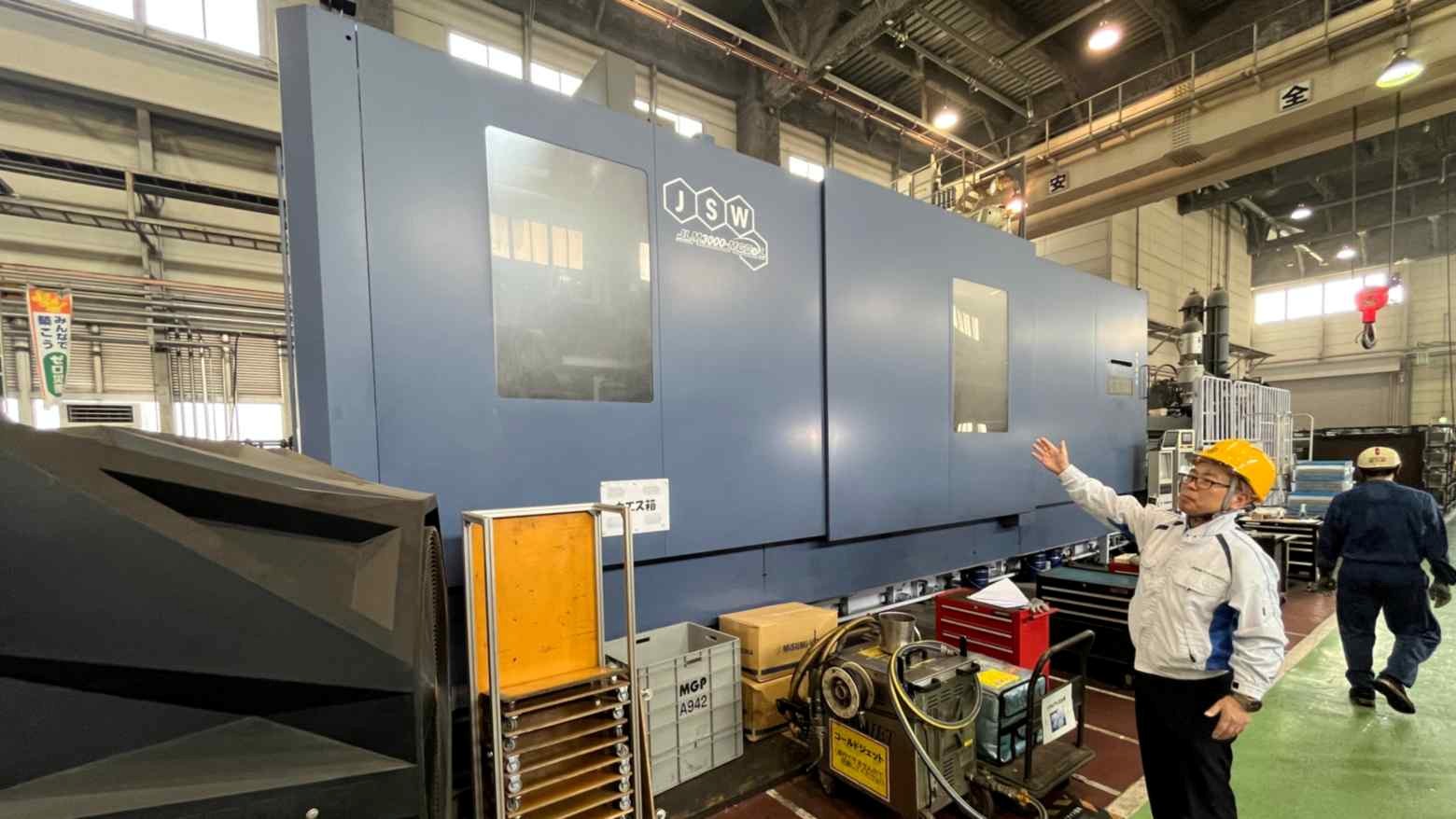
▶ Japan Steel Works and Magnesium Injection Molding Machines
20 Oct. 2025
 Source: NikkeiAsia
Japan Steel Works (JSW) is targeting Chinese electric vehicle (EV) makers with its advanced magnesium injection molding machines, which offer lighter alternatives to aluminum and steel. Using thixomolding technology, JSW produces components with environmental advantages over traditional die casting. Despite being the sole Japanese producer of such machines, JSW faces rising competition from Chinese manufacturers. China dominates global magnesium production and is aggressively expanding its capabilities. JSW is responding by developing machines with higher clamping forces and aiming to boost sales by 70% by 2028. While Chinese EV makers embrace magnesium gigaparts, Japanese automakers remain cautious. Tesla’s shift away from gigacast aluminum may influence trends, but magnesium’s strength and lightness continue to drive demand.
Nikkei Asia: https://asia.nikkei.com/business/materials/japan-steel-targets-chinese-ev-demand-for-magnesium-molding-machines
▶ Japanese Shipbuilders Invest to Counter China’s Rise
22 Oct. 2025 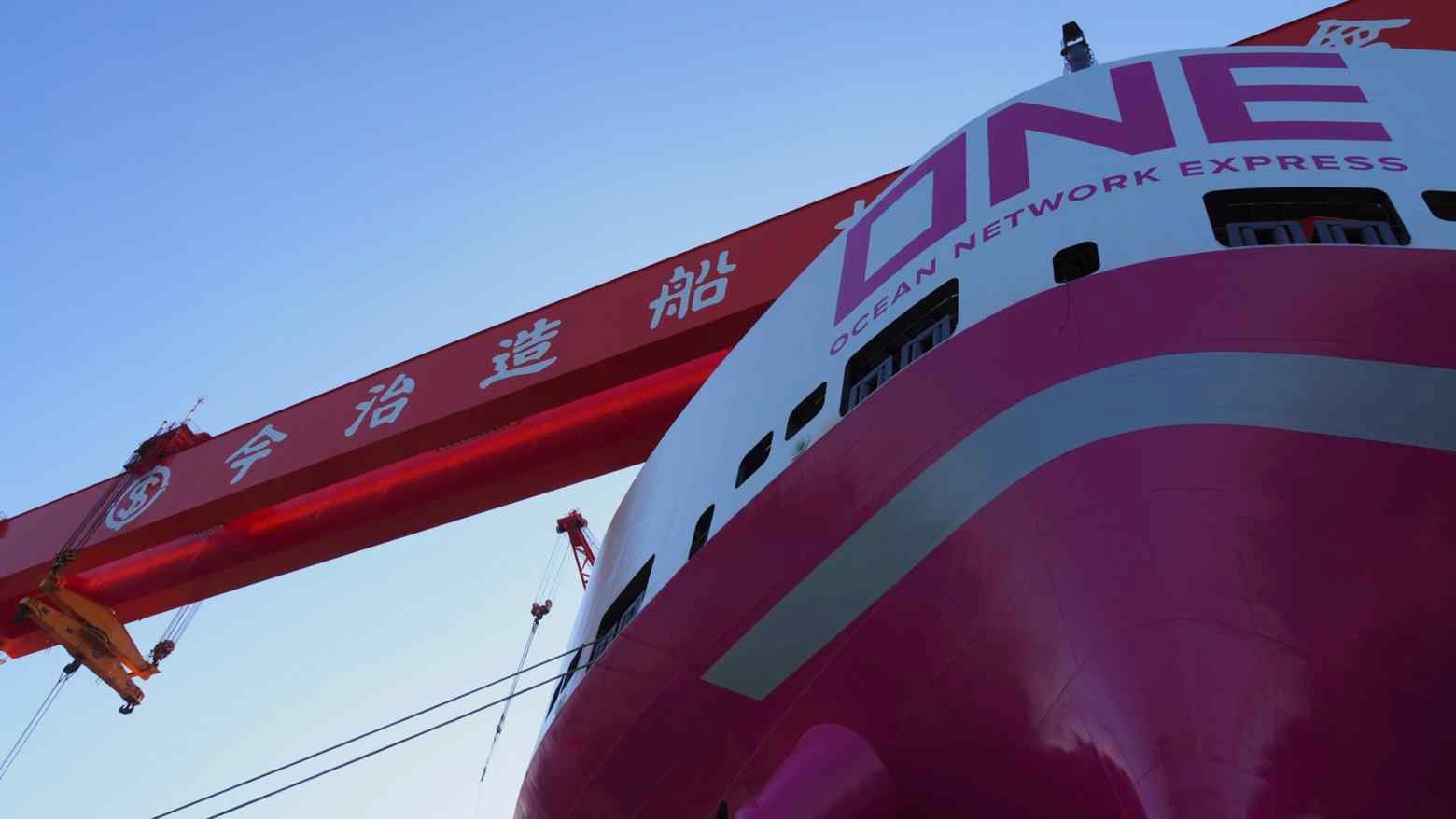 Source: Nikkei Asia
Led by Imabari Shipbuilding, Japanese shipbuilders plan to invest ¥350 billion (approx. €2 billion) to double domestic shipbuilding capacity by 2035. This initiative aligns with U.S.-Japan cooperation to counter China’s maritime dominance. The industry seeks government support, including a proposed ¥1 trillion fund, to finance infrastructure upgrades like large cranes and LNG carrier production. Japan’s global shipbuilding share has dropped from 20% to 8% due to competition from China and South Korea. The investment also aims to revive U.S. shipbuilding through bilateral agreements. Standardizing ship designs and securing skilled labor are key goals.
Nikkei Asia: https://asia.nikkei.com/business/transportation/japan-s-shipbuilders-to-commit-2bn-to-double-capacity-amid-china-s-rise
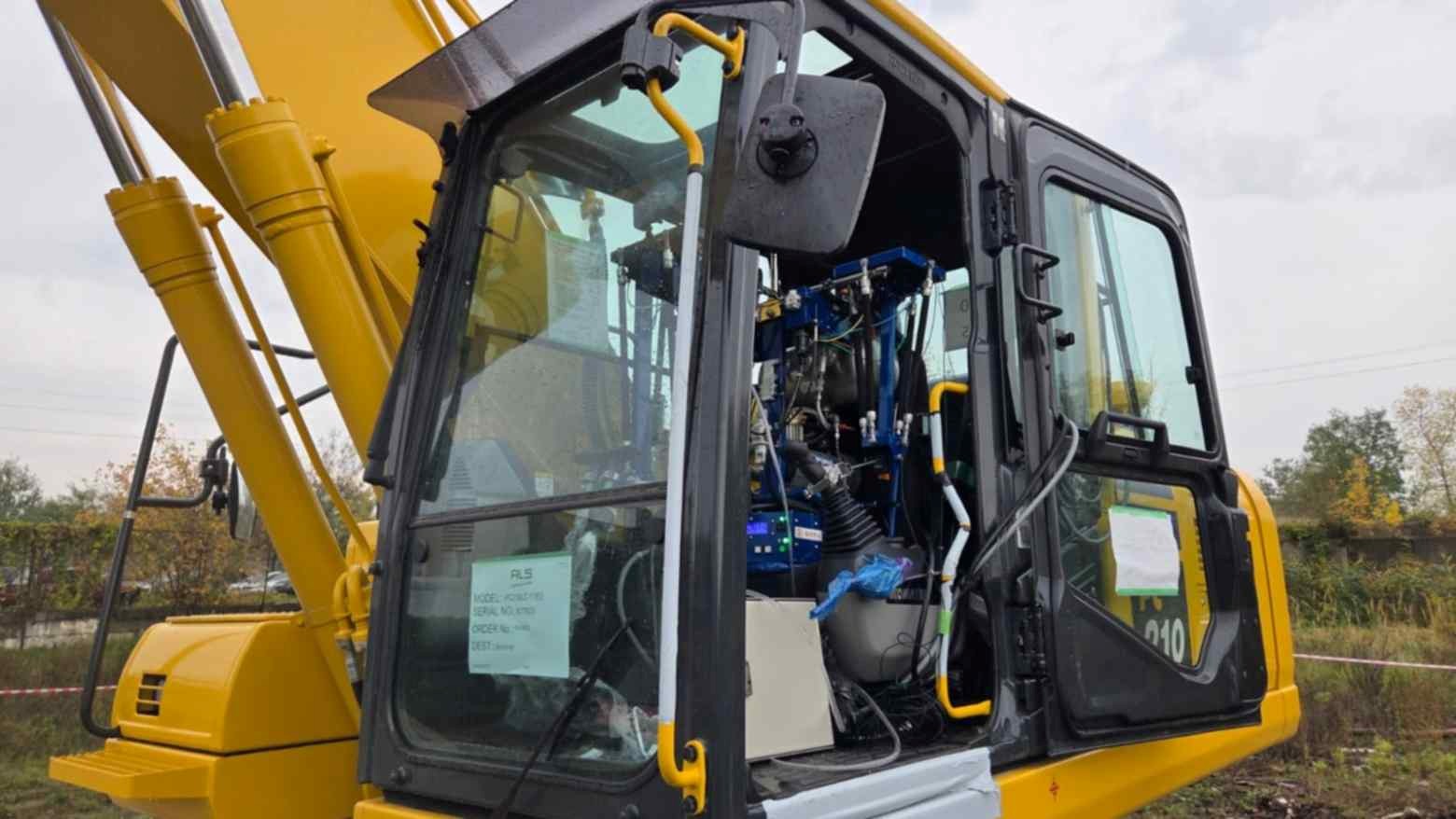
▶ Japan Supports Ukraine with Remote Construction Tech
22 Oct. 2025
 Source: NikkeiAsia
Japan is aiding Ukraine’s reconstruction by deploying remote-controlled heavy machinery to safely remove war debris, including land mines and unexploded ordnance. This technology, first used after the 1994 Mount Unzen eruption, allows operators to control equipment from afar, addressing labour shortages and safety concerns. A pilot project in Kyiv demonstrated its effectiveness, with potential to create jobs for veterans and women. Japan’s Ministry of Land, Infrastructure, Transport and Tourism is leading the initiative, aiming to expand support through official development assistance. The market for digital construction tech in Japan is expected to double by 2030.
Nikkei Asia: https://asia.nikkei.com/politics/ukraine-war/japan-to-support-ukraine-war-debris-removal-with-remote-equipment
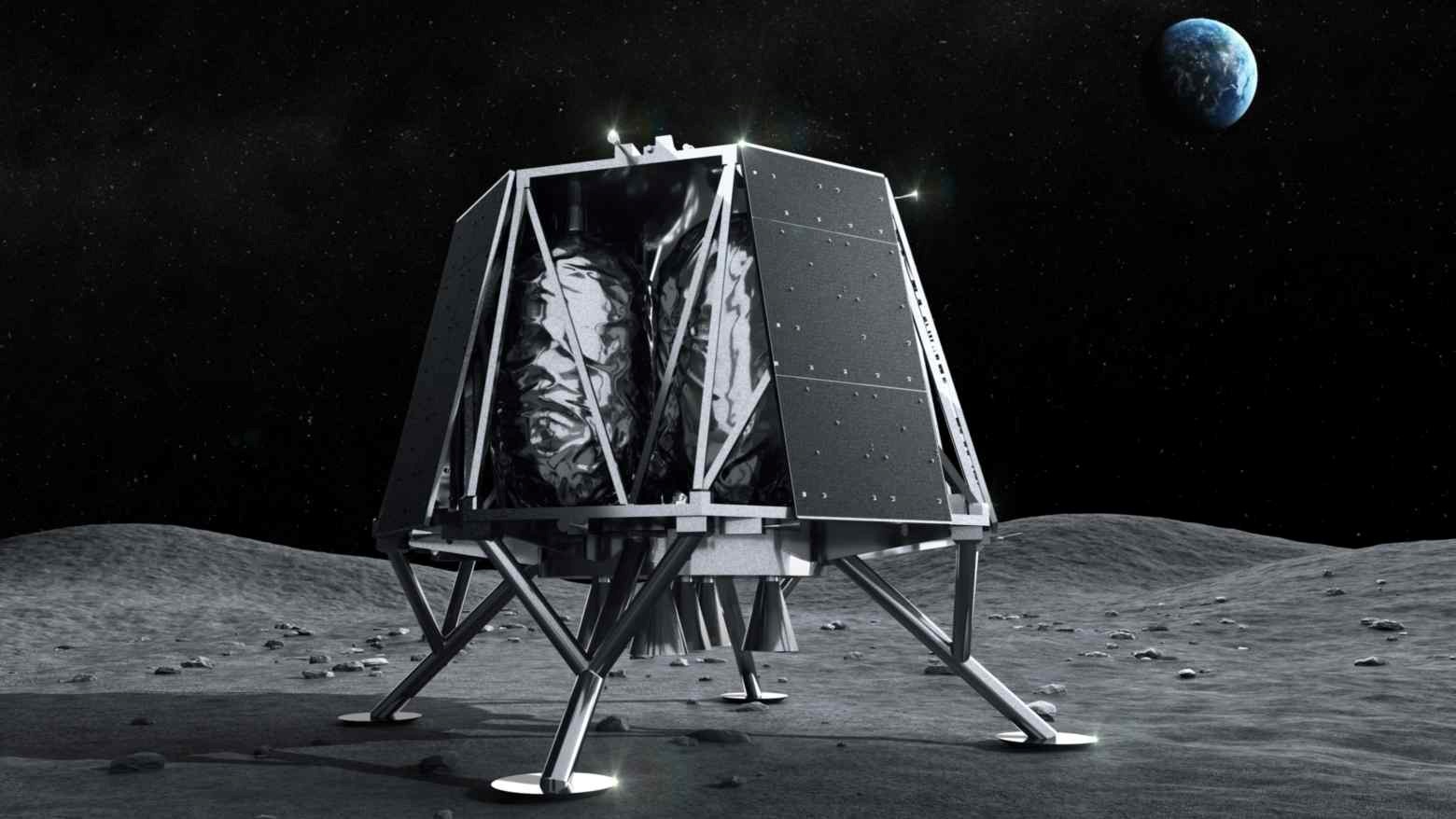
▶ ispace Secures Funding for Lunar Missions with Toyota’s Help
23 Oct. 2025
 Source: NikkeiAsia
Japanese startup ispace raised ¥17.1 billion (approx. \€96 million) to fund its upcoming lunar lander missions, with Toyota providing technical support for rover development. Despite past landing failures, ispace plans launches in 2027 and 2028, aiming for mass production and future missions through 2029. The capital increase, though dilutive, ensures funding for development. Other Japanese firms are investing in lunar resource experiments. ispace’s listing has inspired other space startups, and government support is growing. The lunar surface transport market is projected to reach \$170 billion (€146 billion) by 2040.
Nikkei Asia: https://asia.nikkei.com/business/companies/japan-s-ispace-raises-capital-for-future-lunar-landers
▶ Mazda and Nippon Steel Collaborate for Lighter SUVs
23 Oct. 2025
 Source: NikkeiAsia
Mazda and Nippon Steel have partnered to optimize vehicle development, achieving a 10% steel weight reduction in the new CX-5 SUV. By collaborating from the design stage, they streamlined parts and reduced costs, countering rising material prices and U.S. tariffs. Mazda is shifting away from traditional competitive bidding, citing limited benefits. Nippon Steel’s proximity to Mazda’s factories also helps reduce transport costs and emissions. Mazda, a smaller player compared to Toyota, is aiming to cut costs by ¥80 billion (approx. €451 million) to offset tariff impacts.
Nikkei Asia: https://asia.nikkei.com/business/automobiles/mazda-teams-up-with-nippon-steel-to-optimize-conefficient-car-development
▶ JERA Acquires U.S. Shale Gas Assets for $1.5 Billion (€1.29 billion)
23 Oct. 2025
Japan’s top power producer JERA is acquiring shale gas assets in Louisiana from U.S. companies Williams and GEP Haynesville II. The deal, worth \$1.5 billion, marks JERA’s first entry into American upstream gas and aims to double output by 2030. The location near the Gulf of Mexico offers strategic advantages for LNG exports and future data center development. The acquisition aligns with U.S.-Japan energy cooperation, especially amid pressure to reduce Russian LNG imports. JERA continues to expand its LNG value chain and diversify fuel sources.
Nikkei Asia: https://asia.nikkei.com/business/energy/japan-s-jera-to-acquire-us-shale-gas-assets-in-1.5bn-deal
▶ Mitsui Joins Thailand’s First Carbon Capture Project
23 Oct 2025
 Source: NikkeiAsia
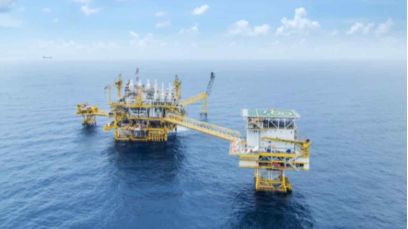
Mitsui & Co. has joined Thailand’s inaugural carbon capture and storage (CCS) project at the Arthit gas field in the Gulf of Thailand. Scheduled to begin operations in 2028, the facility will store 1 million metric tons of CO₂ annually. Mitsui’s subsidiary MOECO Thailand holds a 4.7% stake, contributing expertise from other CCS projects in the U.S. and Malaysia. The initiative supports Thailand’s energy goals and leverages Japanese government backing. Captured CO₂ will be buried under the seabed, helping reduce emissions from gas flaring.
Nikkei Asia: https://asia.nikkei.com/spotlight/environment/japan-s-mitsui-to-join-thailand-s-1st-carbon-capture-project
Published: October 2025


EU-Japan Centre for Industrial Cooperation
Joint venture established in 1987 by the European Commission (DG GROW) and the Japanese Government (METI) for promoting all forms of industrial, trade and investment cooperation between the EU and Japan.


Copyright © 2026 EU-Japan Centre